
Shannon Boakes
Investment & Wealth Advisor, Financial Planner
July 31, 2026
When we talk about women and financial literacy, the conversation often focuses on the individual. However, in reality, the impact we have on everyone around us means the importance of financial literacy for women actually speaks to the collective rather than only the individual. Because the truth is, women shape the financial tone of a household and of generations to come, as we’re frequently the ones having conversations with children about spending, saving, generosity, and responsibility.
And when it comes down to it, many women’s beliefs about money are shaping how those around them view it, whether they were taught financial confidence themselves or not. And this raises an important question: What am I really passing down to the next generation?
Am I passing down confidence and capability? Curiosity and openness?
Or am I unintentionally passing down avoidance, uncertainty, or approaching money as a “hush-hush” topic?
The good news is that financial literacy is not something we either have or don’t have, but something we build. And when it comes down to it, when one woman becomes more financially confident, she doesn’t just change her own future, but that knowledge can influence generations to come.
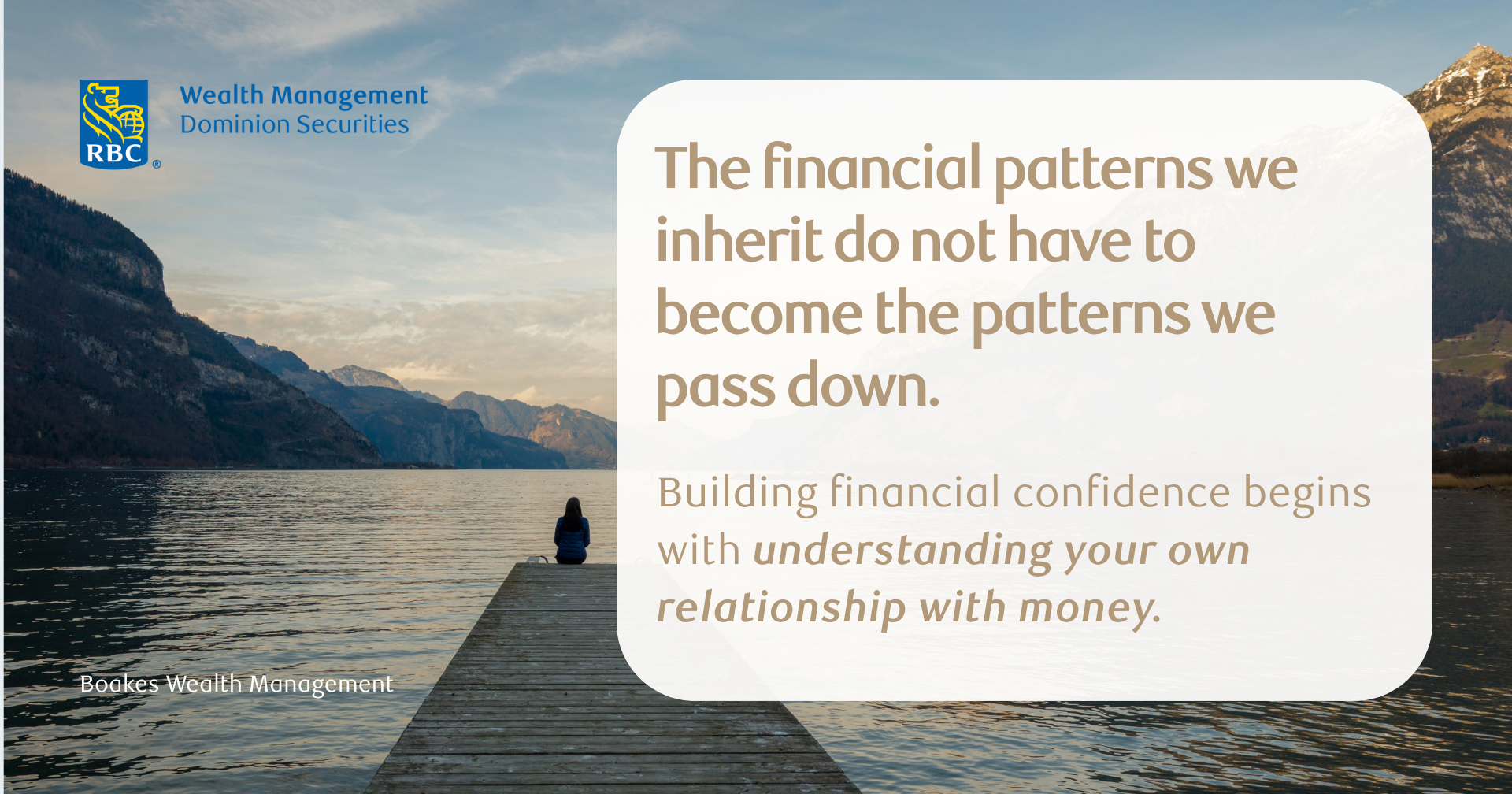
Breaking Inherited Patterns: Building Your Own Financial Literacy First
Many women have complicated relationships with money. For some, money conversations were encouraged from a young age, but for others, money was something private, stressful, or even uncomfortable. For some, it was a topic discussed behind closed doors, if at all, and this approach can influence how we approach finances as adults, too. It’s like the scarcity mindset that we so often hear about in past generations, trickling down to their kids, and even when there is more abundance and opportunity, that mindset remains at the forefront.
For instance, a woman may be successful in her career, earn a good income, and still feel uncertain about investing, retirement planning, or making larger financial decisions. This brings me to a common question I hear.
“Why do I feel anxious about money even though I earn well?”
The answer isn’t usually about ability, but about experience and proper education on the matter to feel confident that you’re making the right choices.
Because confidence is ultimately built through understanding and gaining new perspectives.
On the flip side, when we have not been given the tools, language, or opportunities to learn about investing and wealth building, financial decisions can feel intimidating, even when we are fully capable of making them. Building financial literacy starts with curiosity to better understand where your money is going, to learn how investments work, and to ask questions without embarrassment.
Additionally, I believe wholeheartedly that there is no “right age” to start learning about money, or in fact, most things in life. Financial literacy is a lifelong skill, and getting started, regardless of your stage of life, is a step in the right direction that will benefit not only you but generations to come.
How women can become more financially confident
One of the most powerful shifts women can make is to move from avoiding financial conversations to engaging in them.
This may look like:
- Meeting with a financial advisor to better understand your options
- Learning the basics of investing and wealth building
- Asking questions about retirement, taxes, and estate planning
- Understanding how your money aligns with your values
The goal is not to become a financial expert overnight, because that’s simply not possible. But rather, it should be to become confident enough to participate in the decisions that impact your future. At Boakes Wealth Management, we provide the support and resources that build the confidence every woman deserves. Because confidence creates action, and action creates opportunity.
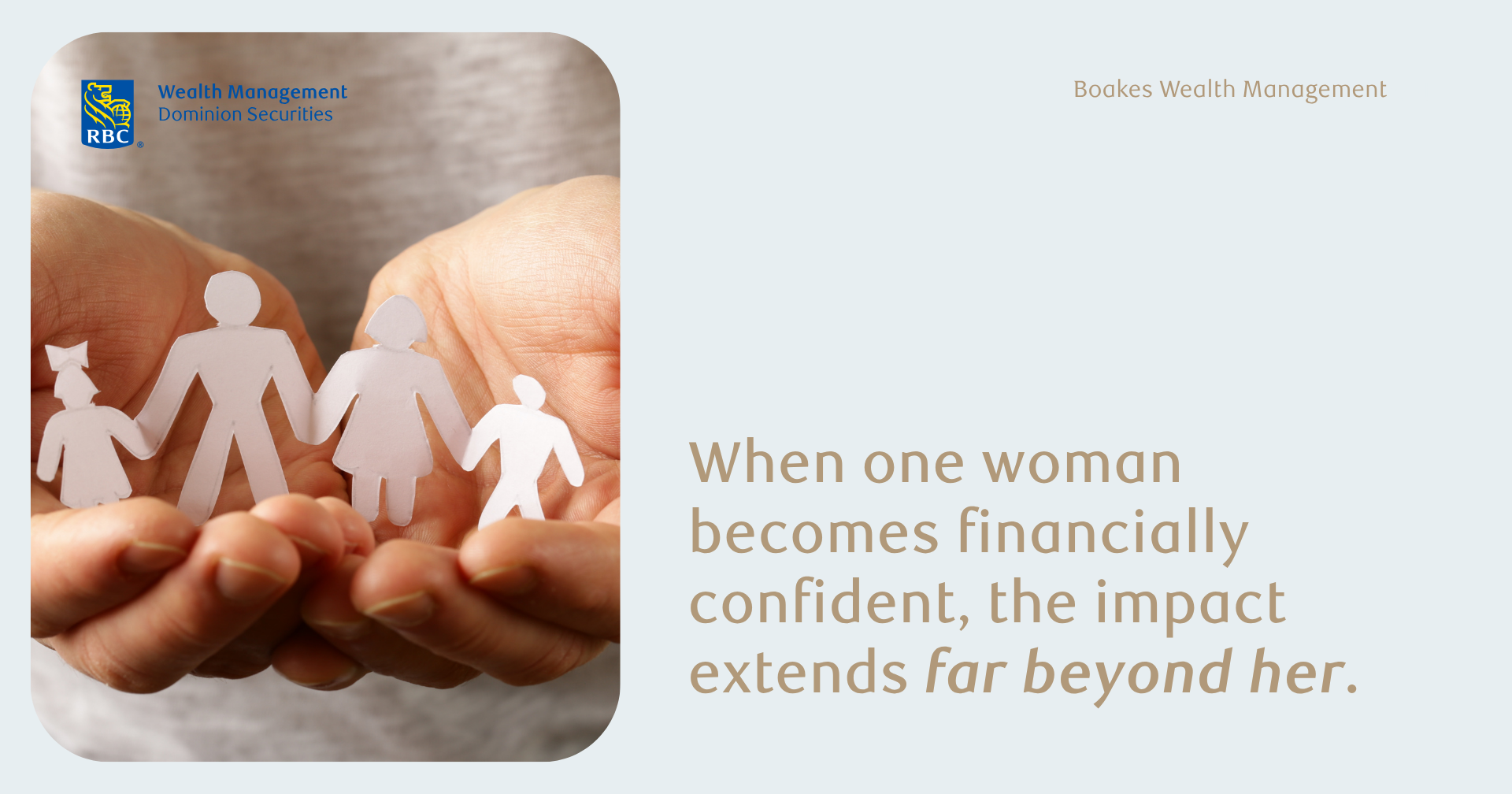
Becoming the Financial Educator in Your Family
Once a woman builds her own financial literacy, something powerful happens. I’ve seen it time and time again. I like to picture it as a chain, where family members across generations are linked, and those links represent beliefs and practices passed down. When a woman strengthens her own link in that long line of women who came before, building hers with confidence and clarity, she’s setting that chain up for greater success.
Because financial education isn’t just about what we know, but about what we share, and while many people inherit wealth, fewer inherit the knowledge needed to manage it successfully.
By becoming more comfortable talking about money, women can help ensure that future generations inherit not only financial assets but also the understanding and guiding principles to do something meaningful and impactful with them.
What does teaching financial literacy actually look like?
Financial education doesn’t have to mean formal lessons or complicated conversations, like going to school and awaiting a grade. Often, it happens in everyday moments and through speaking with people who know more about the subject. For example, this can look like openly talking about money at home or reaching out to our team at Boakes Wealth Management with any financial questions you may have.
Because when money is treated as taboo, children often grow up learning that finances are something to avoid, and no one wins in the end. So instead, age-appropriate conversations can help children understand that money is a tool, rather than something to fear.
Letting children see financial decisions being made
It’s safe to say children learn by observing, and can therefore learn from conversations about:
- Saving for a goal
- Making thoughtful purchases
- Giving back to causes that matter
- Planning instead of reacting
Passing down values
Financial literacy isn’t only about knowing how much to save or when to invest, but also about a more well-rounded understanding.
You can start by asking yourself some questions for a greater perspective, like:
1. Why do we make the choices we do?
2. What matters to our family and why?
3. What role does money play in creating the life we want?
Preparing future generations to receive wealth wisely
For families with significant assets, wealth transfer isn’t just about legal documents and account numbers, but also about preparing the next generation to handle it appropriately.
Questions worth considering include:
- Do my children understand the values behind our wealth?
- Have we discussed how assets should be used?
- Do they understand the responsibility that comes with financial resources?
When passing wealth down to the next generation, the knowledge and confidence to manage it are just as important as the amount.
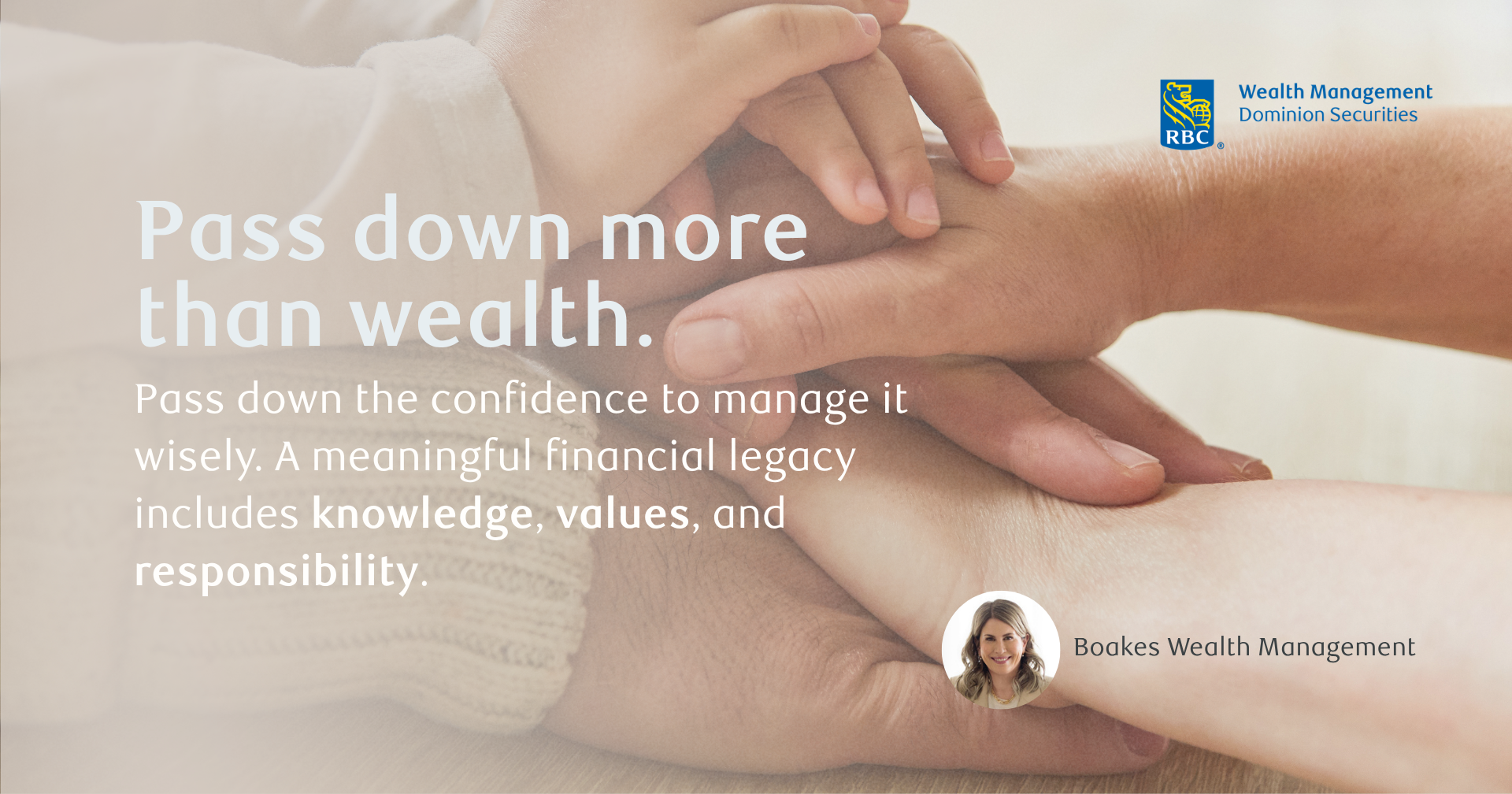
Raising the Next Generation of Financially Confident Women
For parents, one of the greatest gifts we can give our children is the ability to make thoughtful financial decisions, which includes teaching financial responsibility early on.
Younger children can start learning through simple topics of discussion, like:
- Understanding needs vs wants
- Saving toward something they value
- Learning generosity and giving
As children get a little older, conversations can expand to include topics like budgeting, the basics of investing, and credit.
The goal here is to create comfort and confidence around money by speaking about it like it’s any other important part of life - because it is.
Final Thoughts:
Every woman has a story, and part of that story involves money in one way or another. Financial literacy, for some, is taught from an early age, while for others, they’re perhaps taking it into their own hands and learning about it now for the first time.
Regardless of where you begin and where you are right now, you can influence what comes next. Because in the end, investing time and energy into financial literacy isn’t just about creating a stronger financial future for yourself, but for all those who follow, too.
At Boakes Wealth Management, we believe financial planning is about more than numbers. It’s about helping women build confidence, make informed decisions, and create a financial legacy that reflects what matters most.
Because when one woman becomes empowered, everyone around her benefits from that energy, too.
Shannon
Shannon Boakes, CFP, FMA, CIWM, FCSI | Investment amp; Wealth Advisor, Financial Planner, RBC Wealth Management | RBC Dominion Securities | T. 519-758-1270 | C. 226-208-0357 | 22 Colborne Street, 2nd Floor Brantford, ON N3T 2G2 | www.boakeswealthmanagement.com
This community extends beyond one conversation. It’s built through shared ideas, thoughtful planning, and staying connected over time.
Follow along on LinkedIn and Facebook, or reach out if you’d like to talk through your own situation or refer someone who could use support.
Boakes Wealth Management is welcoming a few new clients, especially business owners and families approaching retirement. Know someone who'd be a good fit? Let’s connect!
RBC Wealth Management is a business segment of Royal Bank of Canada. For further information on the entities that are member companies of RBC Wealth Management, click here. The content in this publication is provided for general information only and is not intended to provide any advice or endorse/recommend the content contained in the publication.
® / ™ Trademark(s) of Royal Bank of Canada. Used under licence. © Royal Bank of Canada 2026. All rights reserved.