
Brel-Hannon Wealth Advisory Group
July 15, 2026
The Economy: A Soft Landing, Then a Jolt
Canada's economy spent the spring shaking off a rough patch. GDP was flat in the first quarter after a 0.2% contraction in the fourth quarter of 2025, and April's stronger-than-expected data pointed to a better second quarter, with growth now tracking above 2% annualized. The Bank of Canada's own view is that the Q1 stumble was a temporary soft patch rather than the start of something worse.
The labour market told a similar story of stabilization with soft spots underneath. The unemployment rate rose to 6.9% in April — its highest since last summer — before easing to 6.6% in May and 6.5% in June, a six-month low. June's 18,000 net new jobs were concentrated in part-time work, accommodation and food services (helped by World Cup-related hiring), and retail trade, while manufacturing, agriculture, and utilities all shed jobs. Wage growth accelerated to 3.7% year-over-year in June from 3.2% in May.
Inflation was the quarter's most uncomfortable surprise. Headline CPI climbed steadily from 1.8% in February to 2.4% in March, 2.8% in April, and 3.2% in May — its fastest pace in over a year. The culprit was almost entirely energy: gasoline prices jumped 33% year-over-year as the conflict in the Middle East disrupted tanker traffic through the Strait of Hormuz. Core inflation measures held steadier at around 2.1%, and shelter inflation kept decelerating, but grocery bills stayed painful, with food-at-store prices up 4.3% year-over-year — the sixteenth straight month that food has outpaced headline inflation.
Facing an energy-driven inflation spike layered on top of a still-fragile economy, the Bank of Canada chose to look through it. At its June 10 meeting, the Bank held its policy rate at 2.25% for a fifth consecutive meeting, noting that while it will not let higher energy prices become embedded, near-term inflation driven by the war was not, on its own, reason to tighten. The next rate decision is scheduled for July 15.
Markets: Canada Lags, But Extends Its Streak
The S&P/TSX Composite closed the quarter at 34,857, up roughly 6.3% — its eighth consecutive quarter of gains and the index's longest winning streak since the mid-1990s. That was a solid result, but it badly trailed the S&P 500's roughly 15% quarterly gain, as US megacap and AI-linked names continued to outrun the broader market. Gains on the TSX were fairly broad, with eight of eleven sectors in positive territory, led by gold miners benefiting from elevated bullion prices and continued strength in Shopify.
The Canadian dollar had a volatile quarter, tracking the on-again, off-again Middle East ceasefire. The loonie slid to roughly 1.42 per US dollar in late June — a fifteen-month low — before rebounding to about 1.41 after June's better-than-expected jobs report. For the month as a whole, it averaged close to 1.40.
Oil was the quarter's most important swing factor for both inflation and the currency. WTI crude whipsawed between the high-$60s and low-$70s a barrel as tanker traffic through the Strait of Hormuz was disrupted, a ceasefire briefly took hold, and then fresh US-Iran strikes reignited supply fears before another fragile truce settled prices back near $70–71.
Housing continued its slow, uneven recovery. National home sales rose 5.5% month-over-month in May, concentrated in Ontario, while the national average price climbed to $702,079 (+1.0% month-over-month) — though the benchmark MLS Home Price Index remained down 4.1% from a year earlier. The market has tightened modestly but is still shy of balanced conditions.
South of the Border
The quarter's biggest US story was a changing of the guard at the Federal Reserve. Kevin Warsh, President Trump's nominee, was confirmed by the Senate on May 13 and sworn in on May 22, succeeding Jerome Powell. His first meeting as chair, on June 17, held the federal funds rate at 3.50%–3.75% — but in a twist, the Fed's own dot plot turned more hawkish, not less, with the median year-end projection rising to 3.8% from 3.4% in March, as officials split over whether energy-driven inflation would fade or force a hike.
That inflation problem is more acute in the US than in Canada. Headline CPI accelerated for a third straight month to 4.2% year-over-year in May — the highest since 2023 — as gasoline prices surged over 40%, while core inflation ticked up to 2.9%. The labour market held up regardless: employers added 172,000 jobs in May, well above expectations, and unemployment held steady at 4.3%. First-quarter GDP was revised up to a robust 2.1% annualized, with the Atlanta Fed's tracker pointing to Q2 growth near 3%.
US equities had a standout quarter on paper — the S&P 500 hit a record 7,399 in early May and finished up roughly 15% — but the rally was narrow. AI-linked names such as Nvidia, AMD, and memory-chip makers like SanDisk and Micron (both more than doubling) now account for about 45% of the index's market capitalization, a record concentration; strip them out and the rest of the market has been roughly flat since February. In the background, a second partial government shutdown of the fiscal year, centered on Homeland Security funding, ran from mid-February to April 30.
Trade, Policy & the World
Canada-US trade relations stayed tense but largely unchanged in substance. The 10% US global tariff imposed in February remains in place for non-CUSMA-compliant goods, alongside sector-specific tariffs on steel, aluminum, copper, and lumber; critical minerals, energy, and fertilizer trade have stayed exempt. The bigger date was July 1, the deadline for Canada, the US, and Mexico to complete their mandated CUSMA review. It passed without a renewal agreement — the deal stays in force, but shifts to annual reviews ahead of its 2036 expiry, leaving a cloud of uncertainty over cross-border investment.
Ottawa's spring fiscal update showed the Carney government leaning into higher defence and capital spending — pushing 2026-27 program spending to $505.8 billion, roughly $17.7 billion above the prior year — even as it touted $60 billion in savings found elsewhere. Federal deficits are projected to run at $50 billion or more annually, totalling over $309 billion through 2029-30, with debt-servicing costs alone climbing to $54 billion next year.
Abroad, the Israel-Iran conflict and its Strait of Hormuz spillover dominated the geopolitical calendar, driving most of the quarter's inflation and currency volatility described above, with a fragile ceasefire punctuated by fresh strikes as June came to a close.
Closer to home, Canada spent June hosting matches in the FIFA World Cup, with Toronto and Vancouver among the venues. FIFA projects the tournament will contribute roughly $3.8 billion in cumulative economic output to Canada — including $2 billion to GDP and 24,100 jobs — spread over the three years of preparation and hosting. Early results were more modest than the hype: Moneris data showed restaurant and bar spending in Toronto up just 3% year-over-year during the tournament's first two weeks, in line with research showing most host cities see smaller economic bumps than initially advertised.
Charts and Visuals
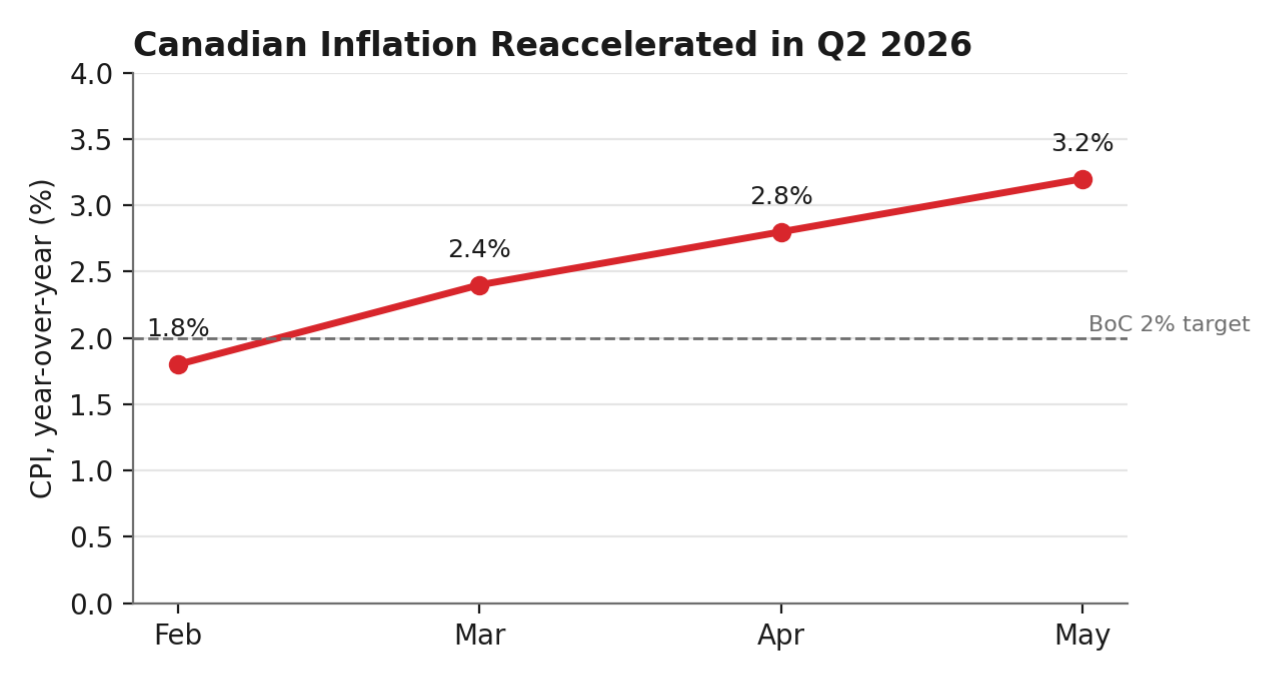
Figure 1. Headline CPI accelerated for a third straight month, driven by energy.
Source: Statistics Canada, Consumer Price Index, monthly releases (Feb.–May 2026).
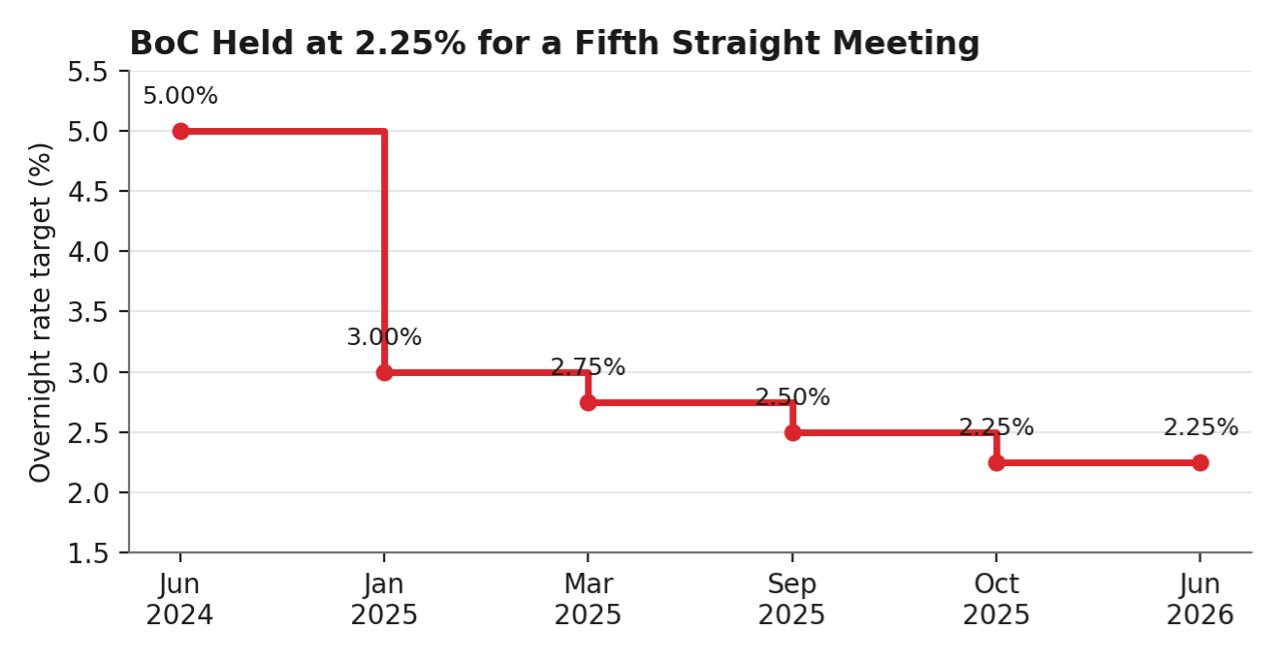
Figure 2. The Bank of Canada's overnight rate path since the easing cycle began.
Source: Bank of Canada, interest rate announcements.
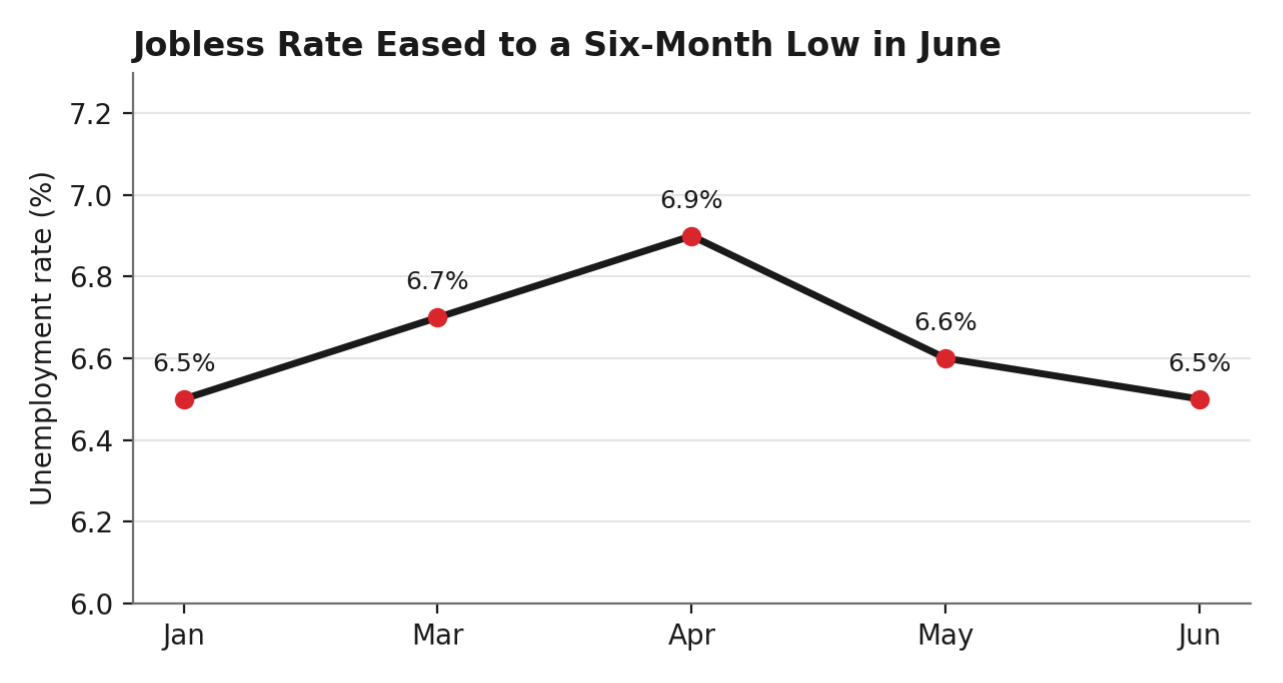
Figure 3. Unemployment peaked in April and eased through June.
Source: Statistics Canada, Labour Force Survey, monthly releases.
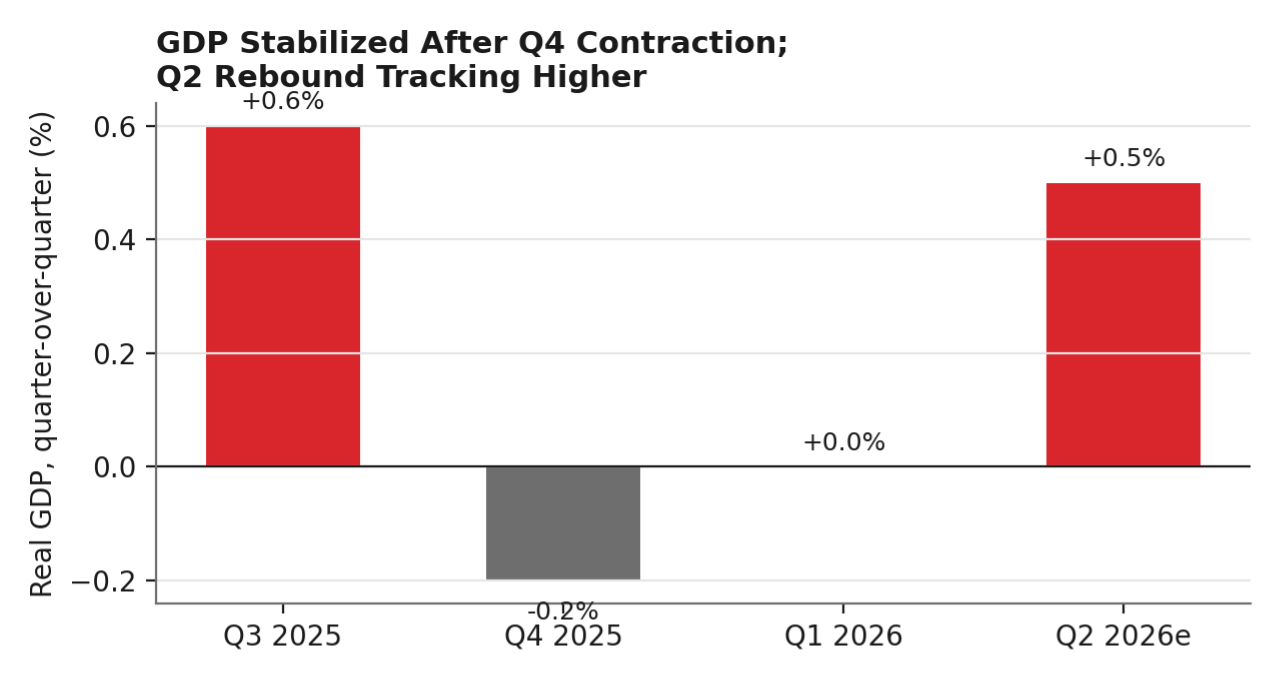
Figure 4. Quarterly real GDP growth, non-annualized.
Source: Statistics Canada, Gross Domestic Product by Income and Expenditure, quarterly releases.
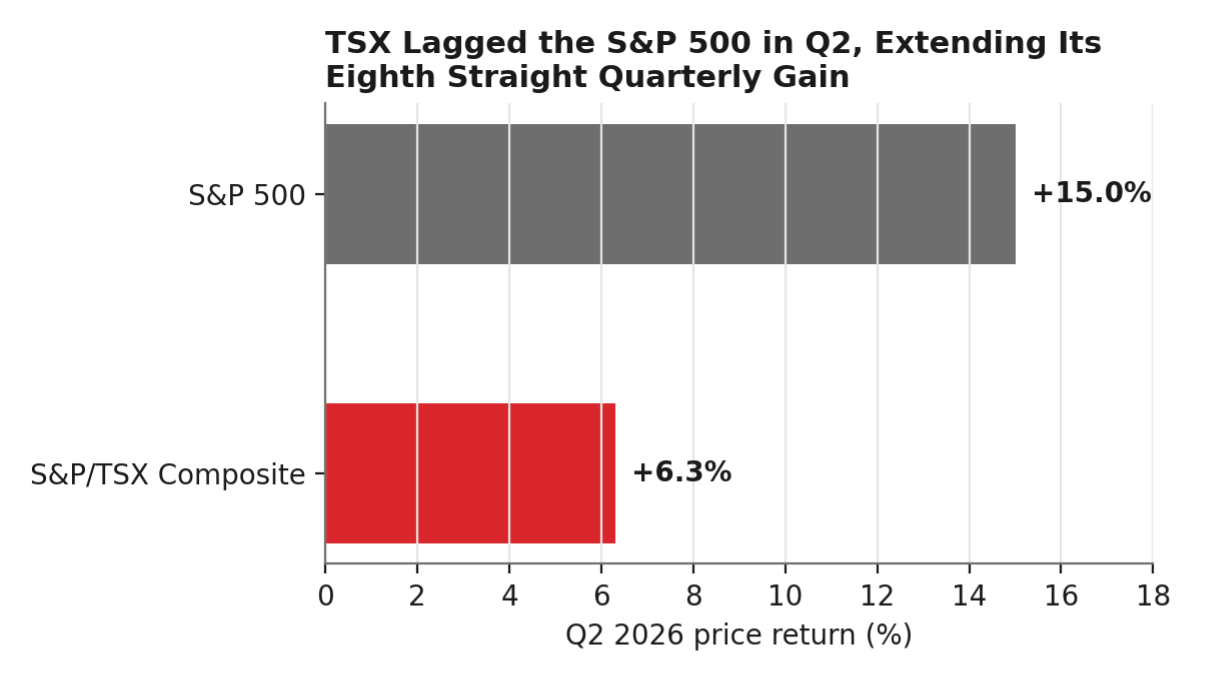
Figure 5. TSX vs. S&P 500 price return, Q2 2026.
Source: TMX Money; Yahoo Finance Canada.
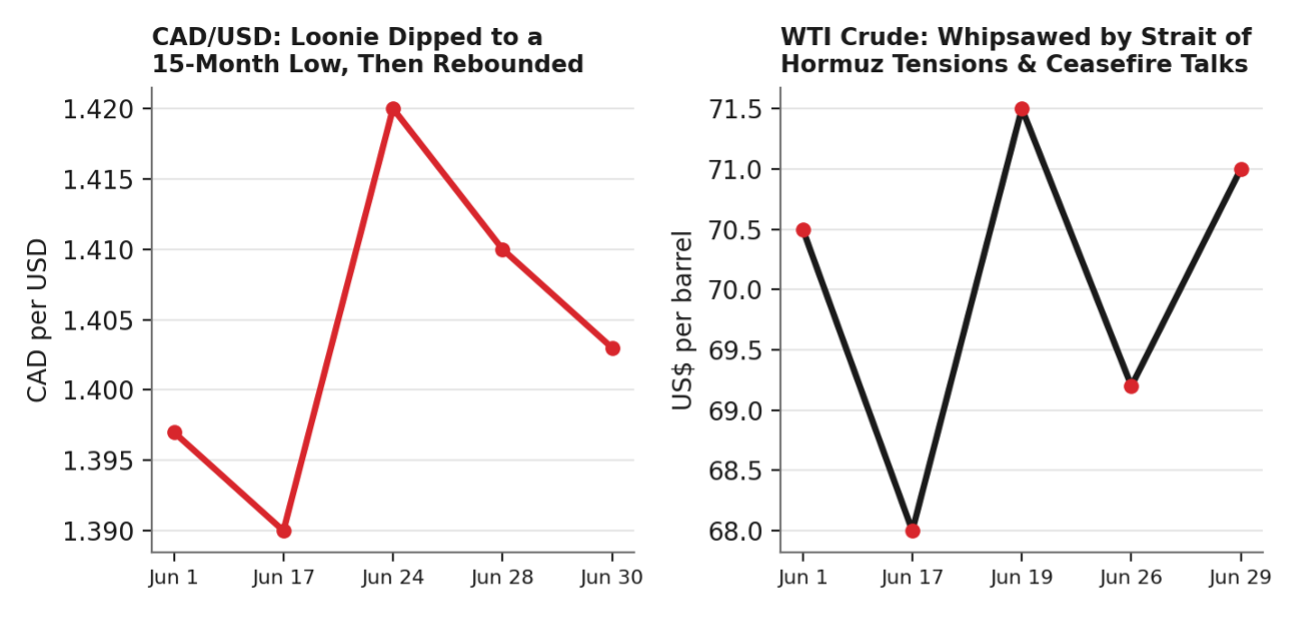
Figure 6. The loonie and WTI crude both whipsawed on Middle East headlines.
Source: Bank of Canada, daily exchange rates; CNBC commodities coverage.
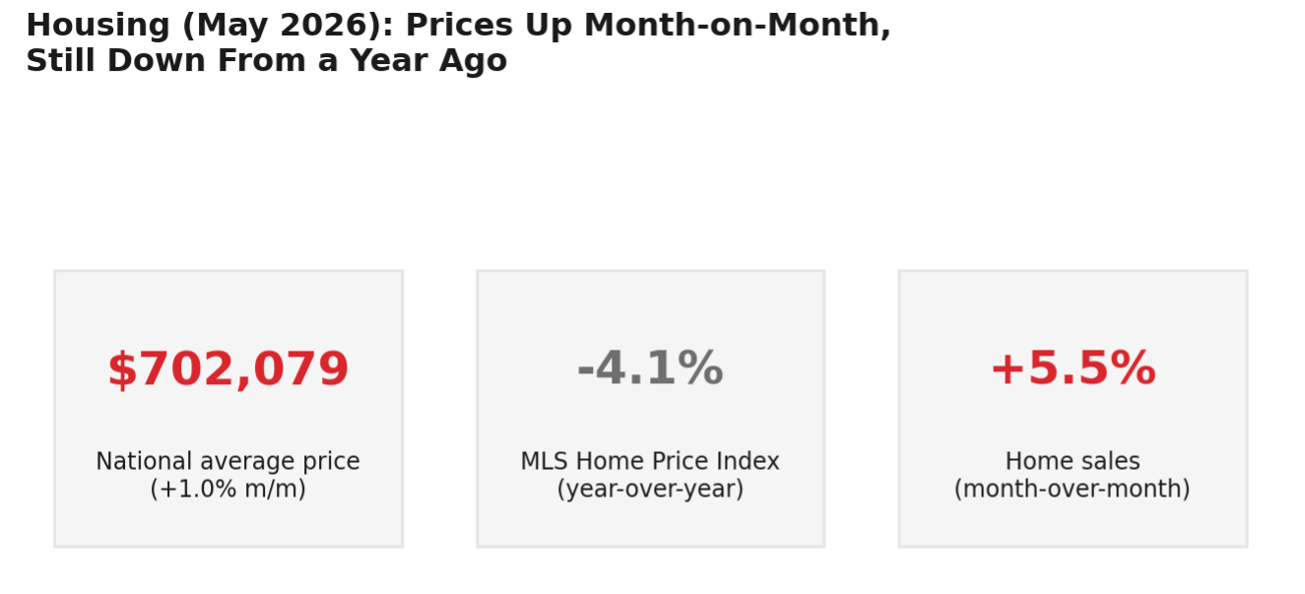
Figure 7. National housing market snapshot, May 2026.
Source: Canadian Real Estate Association (CREA), national housing market statistics.