
Caitlin Burton
Investment Advisor
June 14, 2026
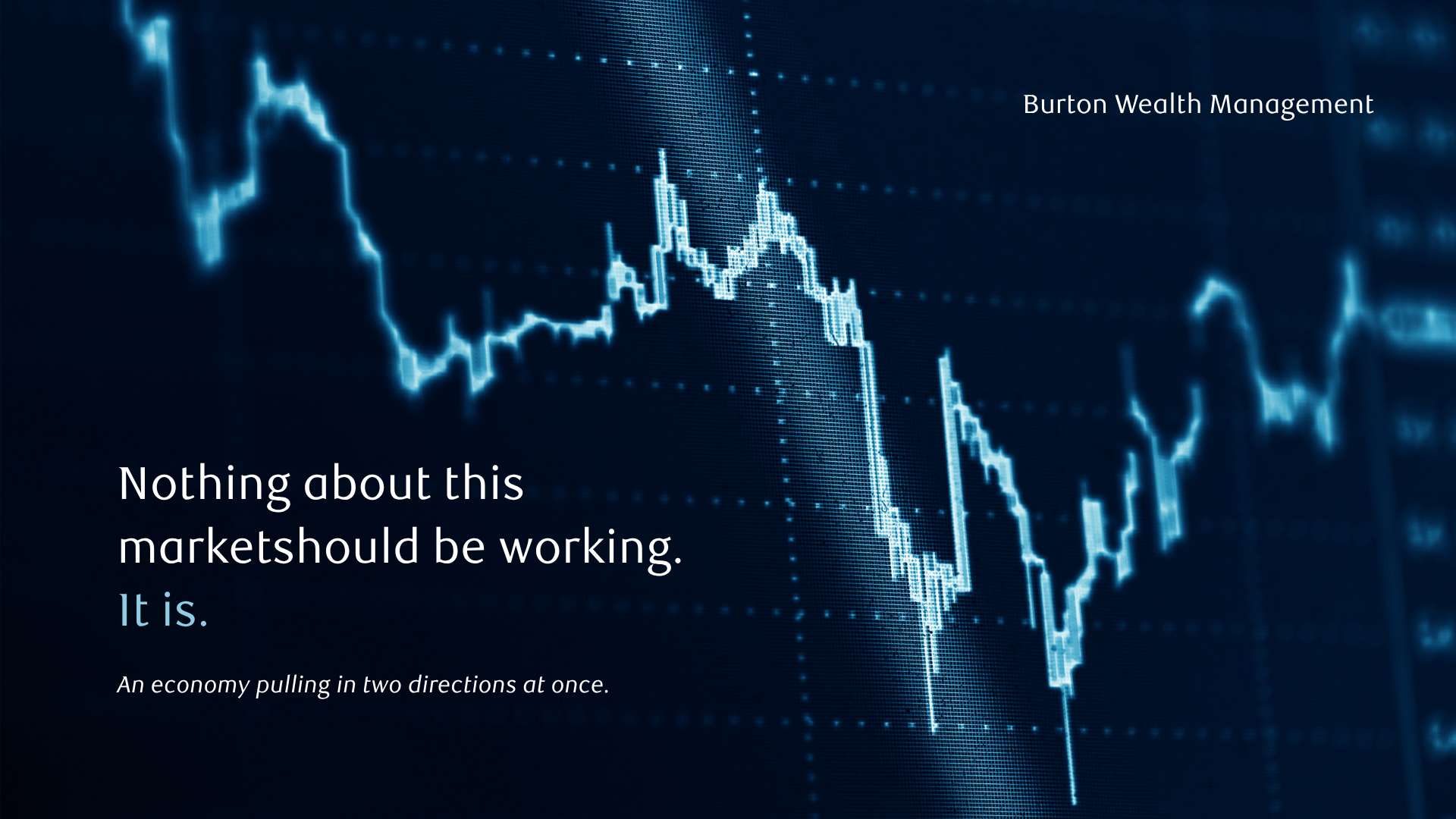
Here's something that shouldn't make sense: there's a war disrupting the world's energy supply, inflation is quietly spreading from the gas pump to your grocery cart, and central banks have stopped cutting rates and started whispering about raising them again. And yet the stock market is having one of its better runs in a while.
Confused? You're not supposed to feel like the economy makes sense right now. It's pulling in two directions at once. This month I want to untangle that for you: where the real risks are, where the genuine bright spots are (Canada is having a moment), and what any of it should change about how we're investing. Spoiler: less than you'd think.
Market Update
The big tension right now is a simple one: inflation is rising and broadening, while growth is staying surprisingly resilient. Let's take each side.
On the challenging side, the conflict involving Iran has kept the Strait of Hormuz, a critical artery for the world's oil and natural gas, largely closed. That's pushed energy prices up, and the effect is starting to spread beyond the gas pump into food and the cost of anything that needs to be transported. Because of this, central banks have hit pause on the rate cuts many of us were expecting, and a few are even quietly weighing whether rates may need to move higher. The encouraging part: a ceasefire is mostly holding, and a more durable deal may be close. Most analysts view this as a temporary energy shock, likely measured in months, not a permanent new normal, which means there's room for some of this inflation pressure to ease later in the year.
On the brighter side, the economy itself has proven sturdy. Growth forecasts were trimmed slightly to account for higher energy costs, but the new numbers still point to normal, healthy growth, and remain a touch more optimistic than the broader consensus. Stock markets have been buoyant, driven in large part by continued optimism around artificial intelligence and a wave of corporate investment in technology, energy security, and infrastructure. That investment boom is doing a lot of the heavy lifting for the economy right now, picking up the slack from a more cautious consumer.
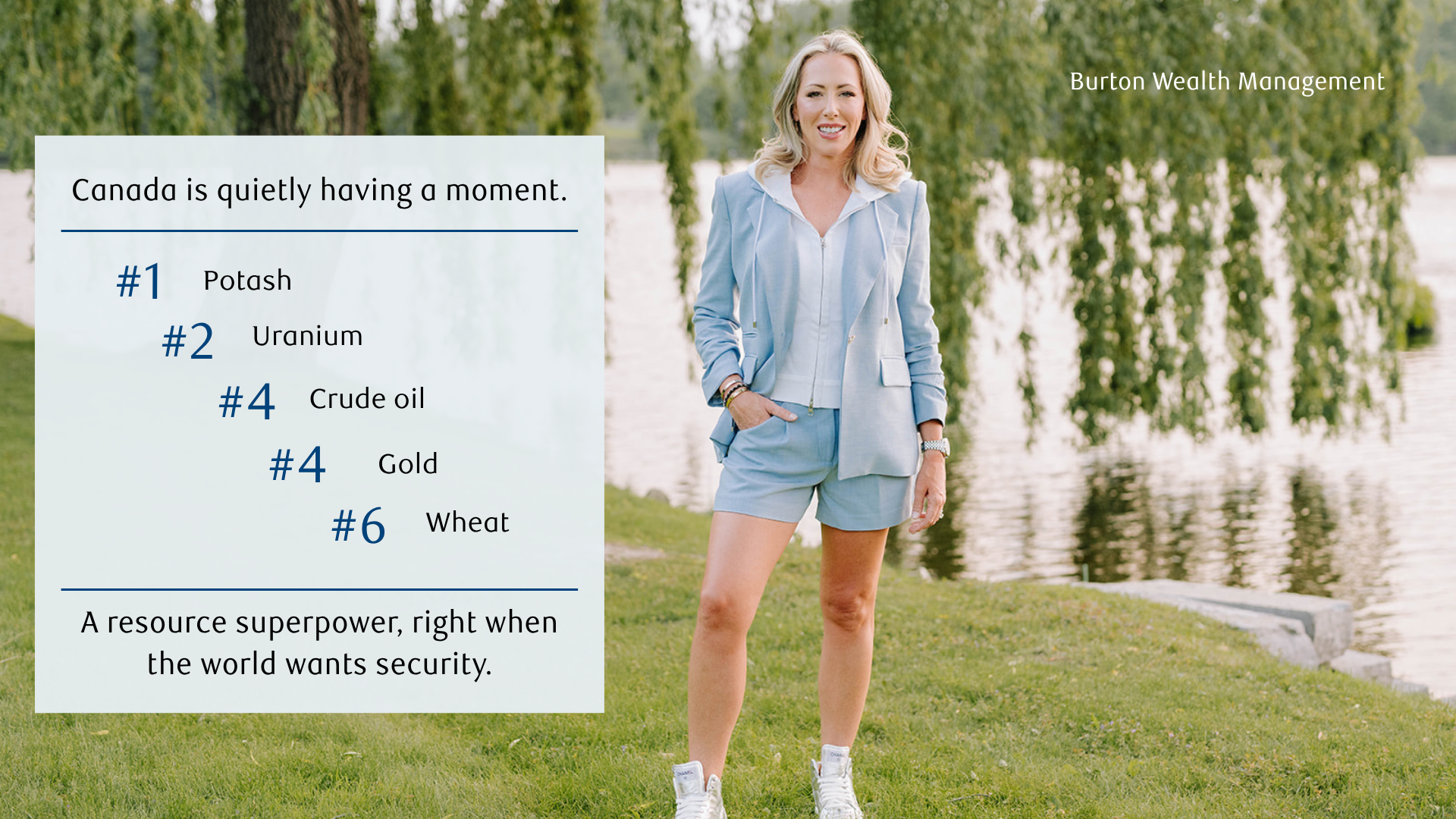
A few other signals worth noting: global trade is quietly rerouting and growing outside the U.S., with new partnerships forming across India, South America, and beyond. China showed a tentative "green shoot" as home prices in its largest cities ticked up, too early to call a turnaround, but a hopeful sign after a long slump. And closer to home, Canada stands out. As an energy exporter and a resource superpower, top-tier globally in oil, potash, uranium, gold, and wheat, Canada is relatively insulated from the energy shock, and recent policy has made the country more attractive at a moment when the world increasingly values stable, secure sources of resources. Canadian business investment intentions have also perked up, which is a welcome sign.
The bottom line: a more complicated world, yes, but not a fragile one, and one that still offers plenty of opportunity for patient, well-positioned investors.
What This Means for Investors
In an environment like this one, higher inflation on one hand, resilient growth on the other, the temptation is to react to every headline. I'd gently encourage the opposite. This is a market that rewards proactive decision-making over reactivity, and the foundations remain the same: a well-diversified portfolio, taking advantage of the higher yields now available in fixed income, and staying invested through the inevitable periods of uncertainty. Staying aligned with your long-term plan, and revisiting your strategy as conditions evolve, gives you the best chance for success.
The midpoint of the year is also a natural moment to pause and take stock. With tax season and the spring contribution rush behind us, now is an ideal time to:
- Review your cash flow and savings strategy heading into the second half of the year
- Revisit your RRSP and TFSA contribution plans before the year-end crunch
- Look for opportunities to manage your tax exposure proactively rather than scrambling in December
It's also a good time to step back and ask the bigger-picture questions: Are my accounts structured efficiently? Does my current plan still reflect my life today? For many, summer brings space to think about the longer horizon, too — retirement timelines, downsizing or a change of scenery, and succession or legacy planning. Our priorities have a way of shifting alongside the seasons, and having the right person in your corner ensures you're making thoughtful decisions now rather than reactive ones later.
Services Women, Wealth & Financial Confidence
Every chaotic news cycle teaches the same lesson, and this one is no different: the people who do best aren't the ones who predict the headlines, they're the ones who prepared before the headlines arrived. A market like this one, pulling in two directions at once, is a useful stress test. It shows you exactly where you feel steady and where you feel shaky. So rather than just reassure you, let me hand you a few things you can actually take away from this moment.
1. Your reaction is data. If this month's news made you want to sell everything, or check your accounts daily, or freeze, that's not a character flaw, it's information. It usually means your portfolio is carrying more risk than your nerves are comfortable with, and that's a fixable mismatch. The fix is a conversation, not a market call.
2. Diversification is what's quietly working right now. The reason a war, an energy shock, and rising inflation haven't sunk the markets is that the world is more spread out than it looks, trade is rerouting, Canada is benefiting from the very thing hurting others, and growth is coming from places the headlines ignore. A well-diversified portfolio works the same way: no single piece of bad news gets to decide your year.
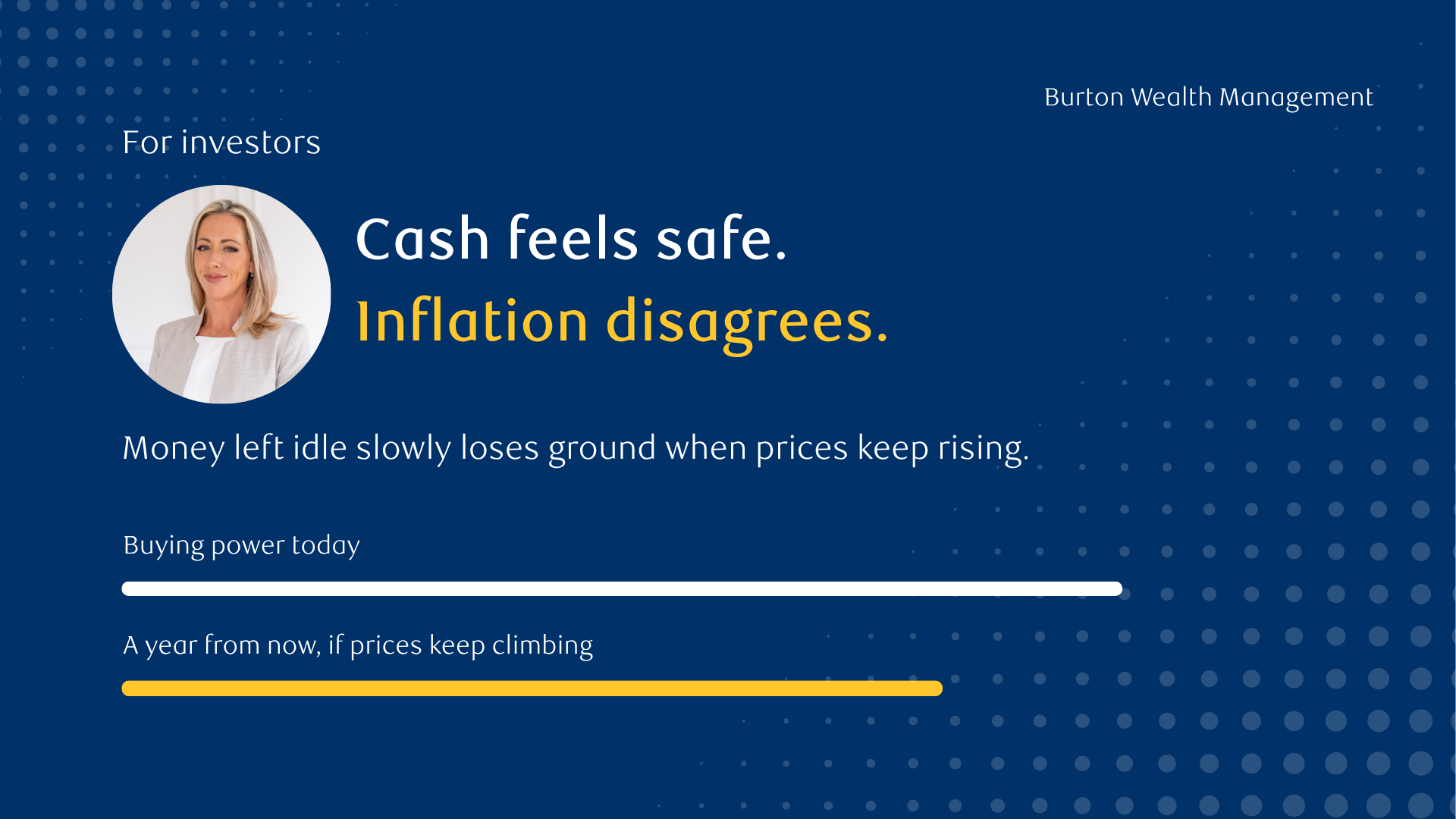
3. Cash isn't the safe choice it feels like. When things feel uncertain, sitting in cash feels protective. But with inflation broadening into food and everyday costs, money sitting idle is quietly losing ground. The higher yields now available in fixed income mean there are smarter places to hold "safe" money than under the mattress.
4. The women who build lasting wealth treat volatility as routine, not emergency. Research consistently shows that women who stay invested tend to be excellent long-term investors, disciplined and far less likely to chase headlines. The edge was never about predicting markets. It was about having a plan clear enough that loud news doesn't shake it.
Moving forward, I'd ask you to do one small thing this month: pick the takeaway above that landed hardest for you, and bring it to our next conversation. That's how confidence actually gets built, not by understanding the Strait of Hormuz, but by turning each market moment into one concrete adjustment that makes your plan a little more yours. When the next headline comes, and it will, you'll already know where you stand.
Services that Support You Through All of Life’s Seasons
As a financial advisor I make it my work to ensure the resources, tools, and insights you need are always within reach, so you have every opportunity to build your own wealth and success on your own terms. From financial planning and tax strategies, to charitable giving and custom investment portfolios, I take pride in helping the people I work with feel prepared and supported through every season of life, and every season of the market.
Let’s Connect
Let’s make sure systems are in place for your financial security and prosperity, through the ever-changing state of the market and the world we live in.
Where you can find me:
Caitlin
Caitlin Burton
Investment Advisor
Phone: 613-566-7511
RBC Wealth Management is a business segment of Royal Bank of Canada. For further information on the entities that are member companies of RBC Wealth Management, click here. The content in this publication is provided for general information only and is not intended to provide any advice or endorse/recommend the content contained in the publication.
® / ™ Trademark(s) of Royal Bank of Canada. Used under licence. © Royal Bank of Canada 2026. All rights reserved.