Petroleum Primer
Portfolio Advisor
July 27, 2026
Oil and why it matters to the economy, markets, and investors
Oil shows up in the headlines almost every day, and is a popular topic of discussion for Canadians. Prices up. Prices down. Organization of the Petroleum Exporting Countries (OPEC) meets. To build a pipeline or not build a pipeline. A refinery ramps up or down. But what does it actually mean – for the economy, inflation, your grocery bill, and, importantly, your portfolio?
The truth is oil is not just fuel. It is the raw material that quietly powers modern civilization. And understanding how it works – how it is traded, what drives its price, and how investors can access it – is one of the most practical pieces of financial knowledge an investor can have.
The fuel that fires us up
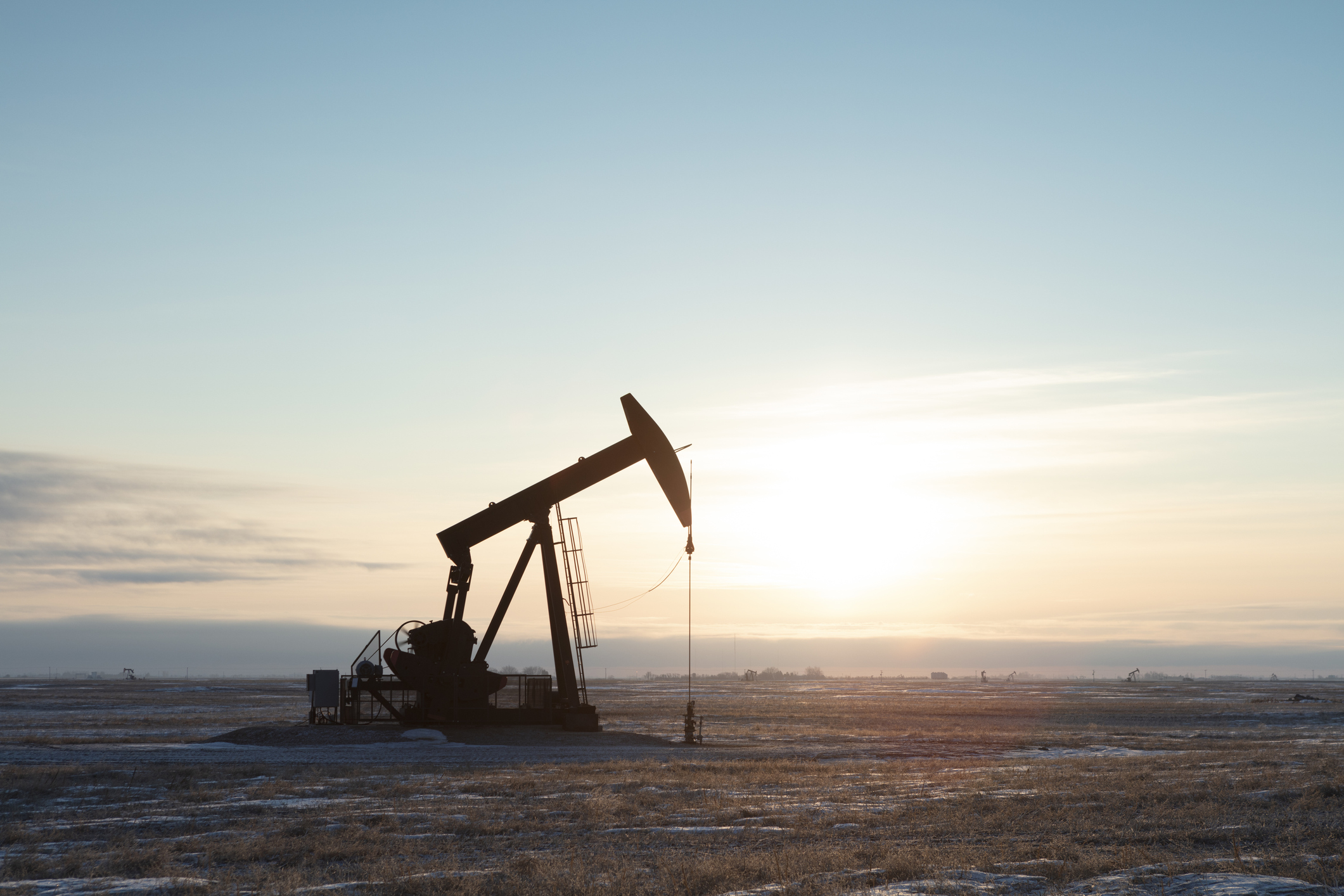
Crude oil is a naturally occurring liquid found deep underground. Refining turns this raw liquid into gasoline, diesel and jet fuel. But transportation is only part of the story. Oil is also a key ingredient in thousands of everyday products – such as plastics, synthetic fabrics, pharmaceuticals and agricultural fertilizers.
Every single day, the world consumes approximately 103 million barrels of oil.¹ To put that number in perspective, imagine a line of oil barrels stretching around the entire circumference of the Earth – that is roughly how much the world goes through on a daily basis. Transportation is the consumption source, accounting for more than 57% of total global oil demand.² Road travel alone – every car, truck and bus on the planet – makes up roughly 45%.³ Aviation, shipping, and heavy industry account for most of the rest. And as the global population grows and more countries industrialize, that appetite shows little signs of disappearing.
For Canada, oil is a cornerstone of the national economy. Canada ranks as the world's fourth-largest oil producer and third-largest exporter.⁴ The energy sector directly contributes approximately 10% of Canada's GDP (gross domestic product, or the total value of all goods and services produced in the country).⁵ It employs roughly 190,000 Canadians⁶, and generates an average of $24 billion in government revenues each year through taxes and royalties.⁷ Alberta is the hub of this activity in Canada, but the economic benefits flow to communities and governments across the country.
How the global oil market flows
Think of oil like any product whose price shifts with supply and demand. But the way it is actually traded is more structured than a typical store transaction.
Most of the world's oil is priced against two major benchmarks – reference prices the industry uses as a standard. West Texas Intermediate (WTI) is the North American reference price, reflecting oil produced mainly in Texas and New Mexico. Brent Crude, drawn from the North Sea off the coast of Europe, is the global benchmark and is used to price roughly two-thirds of the world's traded oil.⁸ Canadian oil also has its own standard, known as Western Canadian Select (WCS). So, when you hear a news report say, "Oil prices rose today," it often refers to one of these standards.
There are two main ways oil changes hands. The spot market is for immediate delivery – like picking up groceries off the shelf at today's price. The futures market is for delivery at a set date down the road – like pre-ordering something before it launches to lock in the price. This allows airlines, trucking companies and refiners to agree on a price today for oil they will need months from now, protecting themselves against sudden price spikes. A single futures contract typically covers 1,000 barrels of oil,⁹ although most financial traders never take delivery of a single barrel – they simply buy and sell these contracts to profit from price movements.
When price ripples reach your wallet
Oil prices respond to a constant stream of signals. Geopolitical tensions in oil-producing regions can restrict supply and push prices up. A strong global economy means more factories humming, more trucks hauling, and more planes flying – demand rises, and so does the price. When major producing nations collectively decide to pump less oil, supply tightens and prices climb. If they pump more oil, the reverse is equally true.
When oil prices surge, it acts like friction building up in the system – making it harder and more expensive to push goods through the economy. Gas, heating fuel, transportation and manufactured goods all become more expensive. Economists call this cost-push inflation – higher input costs pushing up the prices of the things we buy.¹⁰ When inflation climbs, central banks like the Bank of Canada can respond by raising interest rates to cool spending down.
Canada has a unique relationship with oil prices. As a major exporter, higher prices improve our terms of trade – meaning we earn more from the energy we sell abroad.¹¹ That is a real boost for national income and for oil-producing provinces. But for Canadian households, higher oil prices also mean more expensive gas and groceries. These two forces pull in opposite directions, and RBC Economics has noted that oil price swings tend to have a roughly neutral net impact on Canada's overall GDP – even as they create clear winners and losers from region to region.¹²
Three ways to invest in oil
Now that you have the primer on how oil works and why it matters, the natural next question is: how can you participate as an investor? For Canadians, there are three main paths:
- Exchange-Traded Funds (ETFs)
ETFs are funds that trade on a stock exchange like a regular share, offering a simple, low-cost way to invest in a basket of energy companies. Canadian energy equity ETFs – those that hold shares in oil and gas producers – are mostly passively managed, index-tracking options. Some ETFs track a broad basket of Canadian producers; others use futures contracts to follow crude oil prices directly and generally carry a somewhat higher fee. Your Investment Advisor can help identify which approach fits your goals, portfolio and risk profile.
- Mutual Funds
For investors who prefer a portfolio management approach, actively managed energy mutual funds are another option. These funds are run by portfolio managers who make ongoing decisions about which energy companies to own and when. As a general rule, actively managed mutual funds can carry higher total fees than passive ETFs, which is worth factoring into long-term return expectations.
- Direct stock ownership
Investors can also own shares directly in Canadian oil and gas producers. Canada’s biggest energy companies are well-established businesses that historically generate substantial cash flow from their operations and pay regular dividends to shareholders.
Each investment route carries different levels of risk and complexity. ETFs and mutual funds provide built-in diversification. Direct stock ownership offers closer exposure to a company's specific performance – along with the risks that come with it.
The bottom line
Oil has powered the modern world for more than a century, and it remains one of the most consequential forces in the global economy. For Canadian investors, understanding how oil markets work is not just useful for those with energy holdings – it also helps explain why inflation rises and falls, why the Bank of Canada adjusts interest rates, and why a meaningful portion of the S&P/TSX Composite Index moves the way it does.
Have questions about energy investments and how they fit into your overall investment plan? Speak with your Investment Advisor to learn more.
Sources
- World Bank – Oil Market Dynamics: The Calm After the Storm
- OPEC Secretariat – Road Transport, Petrochemicals, and Aviation Are Central to Future Oil Demand Growth
- International Energy Agency (IEA) – World Energy Outlook 2025
- Natural Resources Canada – Energy Fact Book 2025–2026
- Ibid.
- Ibid.
- Ibid.
- Investopedia – What Is the Difference Between Brent Crude and WTI?
- CME Group / NYMEX – WTI Crude Oil Futures Contract Specifications
- University of Michigan Journal of Economics – How Oil Prices Affect Investment Portfolios
- Government of Canada – Spring Economic Update 2026, Annex 1: Details of Economic and Fiscal Projections
- RBC Economics – Crude Calculations: Assessing Canada's Vulnerability to Oil Prices
This information is not investment advice and should be used only in conjunction with a discussion with your RBC Dominion Securities Inc. Investment Advisor. This will ensure that your own circumstances have been considered properly and that any action is taken based upon the latest available information. The strategies and advice in this report are provided for general guidance. Readers should consult their own Investment Advisor when planning to implement a strategy. Interest rates, market conditions, special offers, tax rulings, and other investment factors are subject to change. The information contained herein has been obtained from sources believed to be reliable at the time obtained but neither RBC Dominion Securities Inc. nor its employees, agents, or information suppliers can guarantee its accuracy or completeness. This report is not and under no circumstances is to be construed as an offer to sell or the solicitation of an offer to buy any securities. This report is furnished on the basis and understanding that neither RBC Dominion Securities Inc. nor its employees, agents, or information suppliers is to be under any responsibility or liability whatsoever in respect thereof. The inventories of RBC Dominion Securities Inc. may from time to time include securities mentioned herein.
The content in this article is for information purposes only and does not constitute tax or legal advice. It is imperative that you obtain professional advice from qualified tax and legal advisors before acting on any of the information in this article. This will ensure that your own circumstances are properly considered and that action is taken based on the most current legislation.
RBC Dominion Securities Inc.* and Royal Bank of Canada are separate corporate entities which are affiliated. *Member-Canadian Investor Protection Fund. RBC Dominion Securities Inc. is a member company of RBC Wealth Management, a business segment of Royal Bank of Canada. ® / ™ Trademark(s) of Royal Bank of Canada. Used under licence. © RBC Dominion Securities Inc. 2026. All rights reserved.