Michael Capobianco
July 30, 2026
Good Morning,
The honeymoon for new Federal Reserve Chair Kevin Warsh appears to be over.
When Warsh took the helm, markets welcomed his strong commitment to restoring inflation to the Fed's 2% target and his clear message that monetary policy would remain independent of political pressure. His reputation as an inflation hawk quickly reassured investors.
However, this week's Fed meeting left markets questioning that resolve.
The decision to leave rates unchanged was widely expected, but investors were looking for clearer guidance on how the Fed intends to respond to persistent inflation. Instead, Warsh offered little insight into the Fed's path forward, creating uncertainty rather than confidence.
That uncertainty matters because inflation remains stubbornly above target.
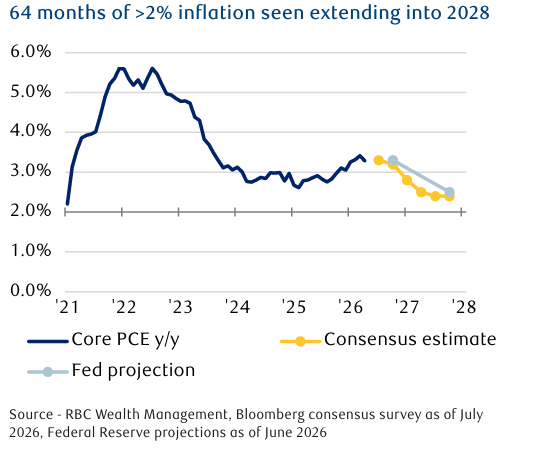
Core PCE inflation has moderated but continues to trend well above the Fed's objective, with most forecasts suggesting inflation will not return to 2% before 2027. Given Warsh's previous criticism that the Fed acted too slowly during the last inflation cycle, markets are now asking whether his actions will ultimately match his rhetoric.
The bond market's response was telling.
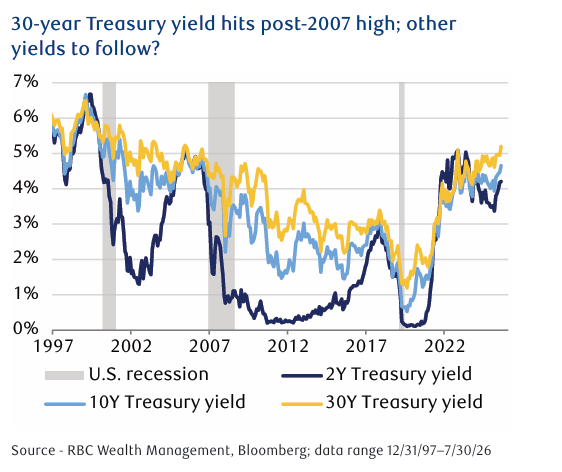
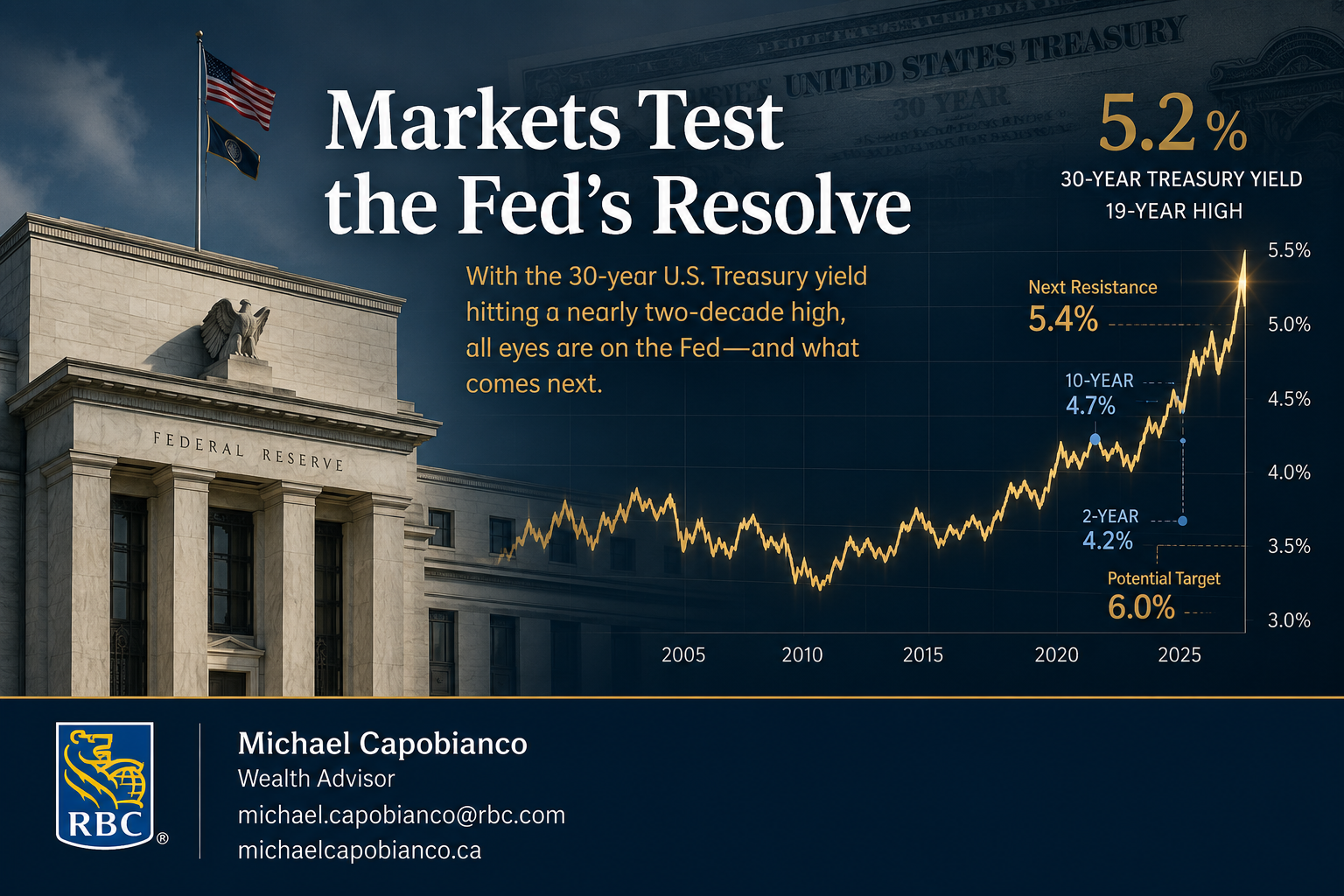
Rather than falling, long-term Treasury yields moved higher, pushing the 30-year Treasury yield to a 19-year high near 5.2%, while the 10-year approached 4.75>
The next technical resistance sits around 5.4%, with a move toward 6.0% possible if inflation pressures persist.
Warsh suggested that higher market yields are effectively doing the Fed's job by tightening financial conditions.
While partially true, relying solely on markets risks encouraging investors to push yields even higher if they begin to doubt the Fed's willingness to act.
The next six weeks will therefore be critical.
Inflation reports, employment data, and business surveys will shape expectations ahead of the September meeting.
Early indicators already suggest input costs and selling prices are accelerating, while higher oil prices and renewed tariff pressures add further upside risks to inflation.
For now, a rate hike has been delayed rather than eliminated.
September may prove to be the first real test of Chair Warsh's credibility—and whether his commitment to fighting inflation is backed by decisive action.
If you have any questions or comments, please feel free to let me know.
Many Thanks,