
Michael Wilkie
August 13, 2026
Hello,
The economic and earnings outlook remains constructive, though several risks warrant continued attention. Below, I discuss economic resilience, the recent equity rebound, and inflation expectations in more detail.
Economic Growth Holding Up
The global economy continues to prove resilient in the face of a volatile macro backdrop. Business activity readings have rebounded from recent lows, consumer confidence surveys have improved, and steady wage gains have supported household spending. Barring a significant weakening in these trends, I believe the environment should remain supportive of corporate earnings and growth-sensitive assets.
There are, however, several uncertainties that warrant attention. Oil prices remain a key source of both growth and inflation risk, particularly given the recurring “escalate, de-escalate” pattern in the Middle East. I am also watching whether the substantial investment in AI can translate into tangible productivity gains and returns on capital.
Equities Move Higher
Global equities traded within a relatively narrow range between May and July as investors digested commodity price volatility, rising bond yields and share price weakness in AI-related companies. The pullback was particularly pronounced among tech hardware companies—semiconductors and memory-chip producers—whose earnings have benefited tremendously from the surge in AI infrastructure spending, as the sustainability of that spending came under greater scrutiny.
Importantly, the correction in the AI investment theme did not translate into a broader equity market correction. As noted in my previous Musings, market leadership has continued to broaden across sectors and regions, while corporate results have remained generally strong. This has helped major equity indexes absorb periods of AI-specific volatility.
More recently, markets have regained upward momentum, with U.S. and Canadian equities, along with broad global equity indexes, at or near record levels. Strong earnings have been an important catalyst. With the bulk of Q2 reporting season complete, companies have broadly delivered against elevated expectations across major markets.
Recent results from large tech companies have also provided further evidence that demand for computing capacity remains robust. This has helped ease some concerns about the durability of AI-related capital spending and supported a rebound in technology equities. Questions about the sustainability of AI spending are likely to linger.
The interest-rate backdrop has also become less worrisome. A weaker-than-expected July employment report reduced expectations for a Federal Reserve hike in September, while July’s consumer inflation was in line with expectations.
Inflation Eases Bond Yield Pressures
U.S. consumer prices increased at a relatively modest pace in July, rising incrementally from the month prior but decelerating on an annual basis. Energy prices were an important contributor to this improvement, with the year-over-year rate of energy inflation falling to 14.7% from a peak of 23.5% in May.
U.S. bond yields are still meaningfully higher today compared to the start of the year but have recently shown signs of stabilization. Attention will now turn to the August inflation data for evidence that the recent moderation is becoming more durable.
Given the current level of starting yields across fixed income markets, I believe mid-single digit returns over the next 12 months represent a reasonable expectation for a diversified fixed income portfolio.
Takeaways
Despite considerable volatility over the past year, financial markets have continued to generate worthwhile returns for investors. The combination of an expanding economy and growing corporate profits, bolstered by resilient consumer spending and sustained business investment, suggest the outlook remains constructive.
At the same time, full valuations in select markets, uncertainty around inflation and the potential for rapid shifts in sentiment toward the AI theme continue to reinforce the importance of maintaining adequate diversification. As a risk management tool, I continue to review portfolios periodically for rebalancing opportunities to ensure allocations do not drift too far from long-term strategic targets.
Highlights
Sector ETFs vs. benchmark indexes: How RIC rules shape your investments
Sector ETFs and benchmark indexes try to track the same thing, an economic sector, yet differences in regulatory frameworks complicate the comparisons.
Regional developments: Canadian labour market improves, supporting a patient BoC; Broad U.S. equity market strength despite higher rates; Europe delivers its best earnings season in years; Asian equities staged a recovery as expectations for Fed rate hikes fade.
Please take some time to review the Global Insight Weekly.
Global Insight Monthly
August 2026 edition
I am pleased to share the latest investment strategy report from RBC Wealth Management—Global Insight, which provides our current thoughts on asset classes, the economy, and timely issues that impact investment strategy.
Full report: Global Insight
This month’s highlights:
Global equity: Push and pull
The emergence of a more complicated picture for the next stages of AI development together with renewed volatility on the geopolitical front have kept equity indexes and investor optimism in check for the past couple of months. However, if the unusually energetic earnings estimates for this year and next prove achievable, we think there is likely more upside ahead.
Global fixed income: Altitude sickness
Though central banks kept policy rates on hold, the same cannot be said for global sovereign bond yields. 2026 has seen numerous fresh multi-decade highs for 30-year government bond yields with the notable addition of the U.S. 30-year Treasury in July, and we offer thoughts on the primary driver of the recent volatility.
Canada’s unemployment rate hit a two-year low of 6.4%
The country added 75,100 jobs in July, handily beating analysts’ expectations. Full-time employment rose by a net 38,600, while 36,600 part-time positions were added, Statistics Canada said. Public sector jobs fell amid government cuts, but the private sector stepped up, led by wholesale and retail, finance, and professional services.
Canada has launched a $100 million rebate program for steel shippers
The program will reduce the cost of shipping steel between provinces and territories by 50% over the next year, or until funding runs out. The rebate is aimed at helping the steel industry, which has been hit hard by U.S. tariffs, while also increasing domestic demand and reducing interprovincial trade barriers. The government also said it is working on support programs for the forest sector, another one that has been hit by sectoral tariffs from the U.S.
Ottawa weighs auto tariff concessions
Canadian and U.S. trade officials are discussing a potential auto trade arrangement that could see Ottawa accept reduced U.S. tariffs of 10% to 15% on Canadian-made vehicles, down from the current 25%, while removing Canada’s retaliatory tariffs on U.S.-made cars. Under the proposal, U.S. content in Canadian vehicles would remain exempt from the tariff calculation. Canadian officials have pushed for a broader exemption covering all North American originated content, similar to a proposal advanced by Mexico, which would effectively limit tariffs to components sourced outside the region. Negotiations remain fluid ahead of a key Aug. 19th deadline, with the U.S. threatening to impose 50% tariffs on an additional US$20 billion of Canadian exports if no agreement is reached. Autos remain a key U.S. bargaining lever alongside steel, aluminum, and forest products. Industry reaction has been mixed, with some participants believing a 10%-15% tariff could be manageable with the U.S.-content exemption, while auto-parts representatives and Unifor–representing over 40,000 auto workers–warn that permanently accepting tariffs could undermine investment, employment, and Canada’s position in the forthcoming USMCA negotiations.
U.S. inflation fell in July, reducing the odds that the Fed will hike rates
The Consumer Price Index (CPI) rose 3.4% annually, in line with economist expectations, and slightly cooler than June’s 3.5% increase. The dip was driven by easing energy prices. While RBC Economics said the report was reassuring, there are some yellow flags beneath the surface. The data comes as the U.S. Federal Reserve faced pressure to raise interest rates to tame inflation. With CPI slowing, expectations of a hike at the Fed’s September decision also eased.
S&P 500 companies are raking in a tariff-rebate windfall
U.S. Customs and Border Protection was processing around 252,000 refund applications as of July 31 for U.S. tariffs declared unlawful by the Supreme Court. Apple, Nike, FedEx, Amazon and General Motors are among the companies that reported US$9.6 billion in refunds in the past quarter, with US$2.1 billion already received. FedEx said it would start disbursing its US$800 million in refunds to shippers and consumers in August, while Costco also said it plans to pass tariffs to customers “in some form.”
Global food prices hit their highest level in nearly four years
The UN’s Food Price Index jumped in July, as heatwaves, concerns about geopolitical conflicts and energy prices drove up the cost for cereals, sugar and vegetable oils. Wheat prices surged as attacks between Russia and Ukraine continued to disrupt exports, and recent heatwaves are expected to impact yields. In Canada, food price growth remains above the overall inflation rate. Grocery prices increased 3.9% in June, marking the 17th consecutive month that store prices outpaced headline inflation.
The Black Sea is emerging as a new shipping chokepoint
The Europe-Asia waterway channels grain and energy exports through the Bosphorus to the rest of the world. But attacks this summer from Russia, and recently Ukraine, on ships and seaport infrastructure has disrupted traffic and triggered price hikes in wheat and other commodities. Alarmed by its impact on food and energy prices, the U.S. recently urged Ukraine to curb attacks on non-Russian ships. The attacks have also disrupted Kazakhstan’s oil shipments and forced shipping firm Maersk to suspend its regional operations.
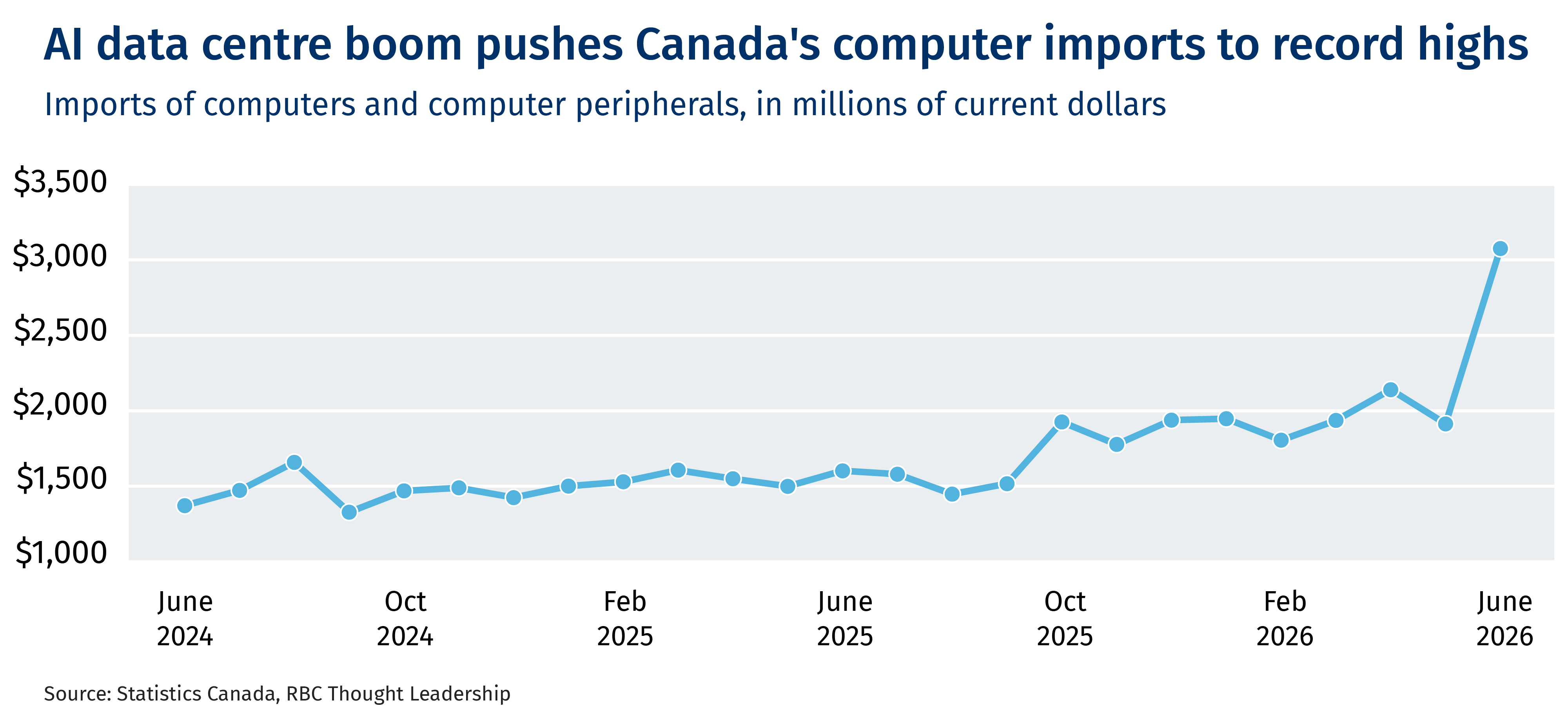
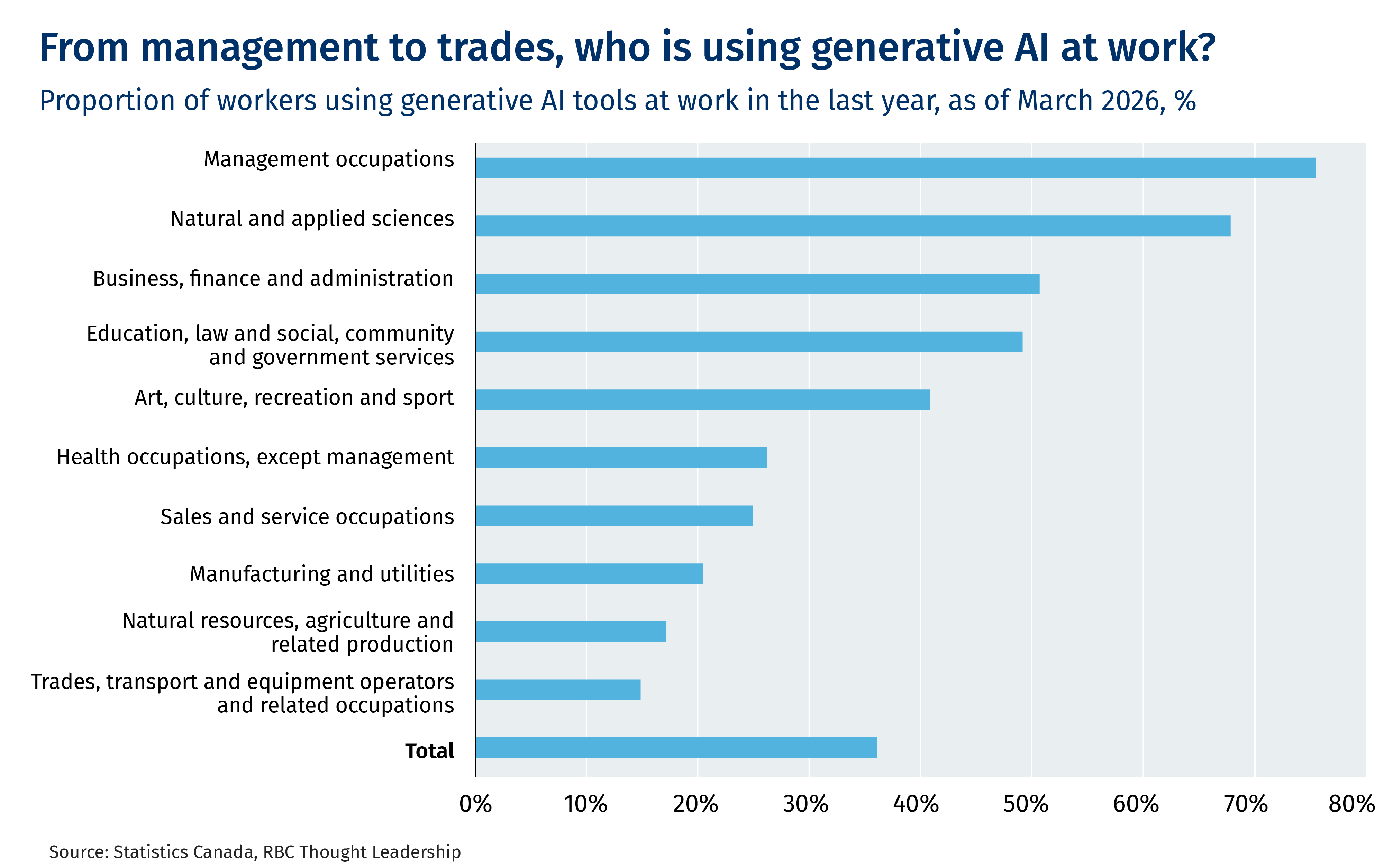
Charts of the day
Interesting tidbits
DoorDash Enters Drone Delivery Market
DoorDash has received approval from US aviation regulators to operate delivery drones commercially, which it plans to start doing in the fall.
Drones have been touted as the next hot thing in food delivery. While the company will continue partnerships with existing drone operators like Wing and Flytrex, it aims to build domestically-manufactured drones and control the full system – including routing, order fulfillment, and designated handoff areas – positioning itself as a major player in the emerging aerial delivery market alongside competitors like Amazon and Walmart.
To read the full article, please click here.
Today’s funny

“Have you tried turning it off and taking a nap?”
REMINDER: Most of my new clients come to me via word of mouth as I don’t advertise or engage in marketing programs. Please keep my team in mind if you hear of anyone with over $1 million in investable assets who is in need of wealth management services.
This information is not investment advice and should be used only in conjunction with a discussion with your RBC Dominion Securities Inc. Investment Advisor. This will ensure that your own circumstances have been considered properly and that any action is taken based upon the latest available information. The strategies and advice in this report are provided for general guidance. Readers should consult their own Investment Advisor when planning to implement a strategy. Interest rates, market conditions, special offers, tax rulings, and other investment factors are subject to change. The information contained herein has been obtained from sources believed to be reliable at the time obtained but neither RBC Dominion Securities Inc. nor its employees, agents, or information suppliers can guarantee its accuracy or completeness. This report is not and under no circumstances is to be construed as an offer to sell or the solicitation of an offer to buy any securities. This report is furnished on the basis and understanding that neither RBC Dominion Securities Inc. nor its employees, agents, or information suppliers is to be under any responsibility or liability whatsoever in respect thereof. The inventories of RBC Dominion Securities Inc. may from time to time include securities mentioned herein.