Mike’s Musings - May 22, 2026
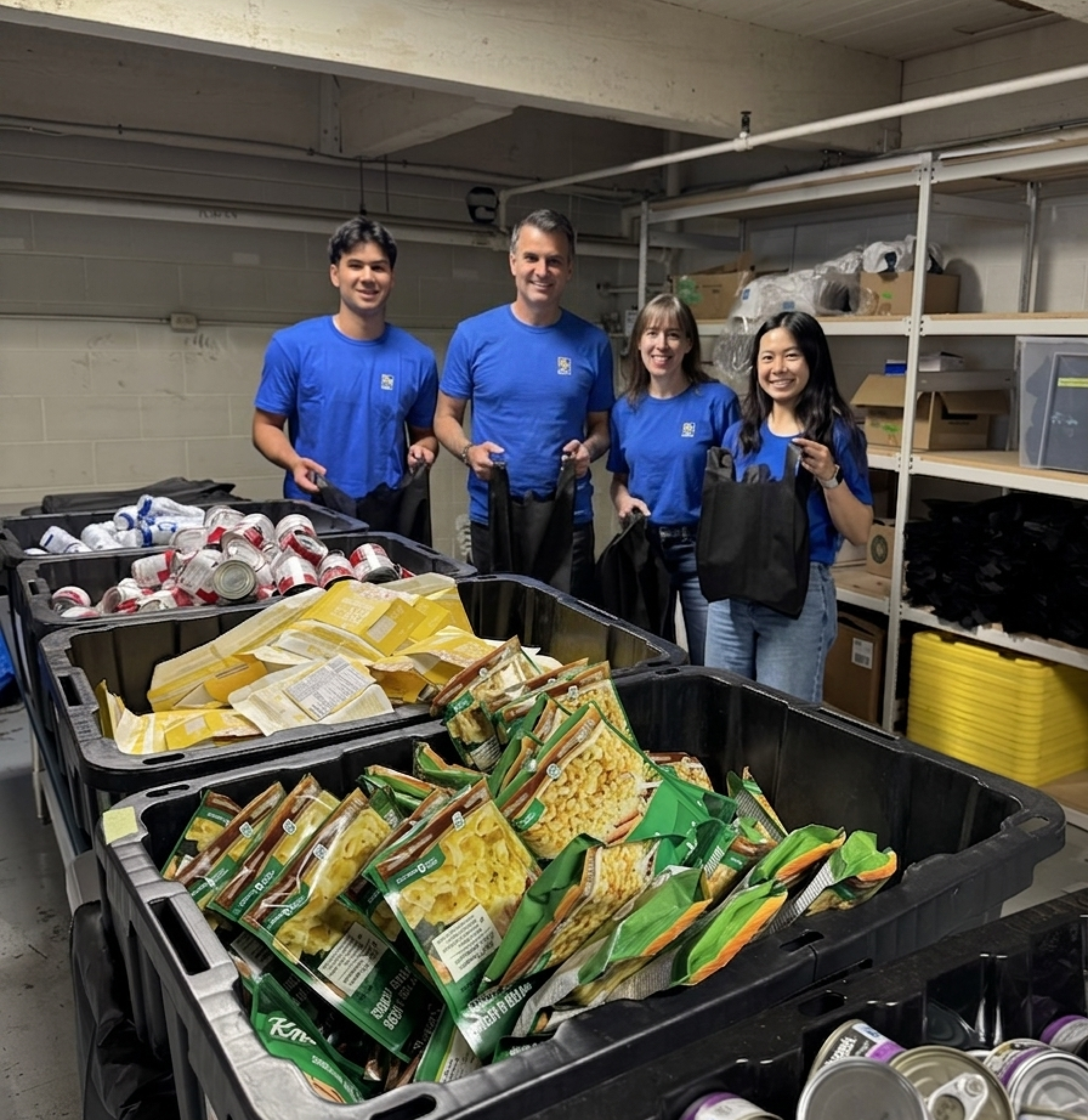
Last week, Christy, Jennifer, my son, Aidan and I all spent an afternoon volunteering at Backpack Buddies in North Vancouver. Alongside some other colleagues from our branch, we packed over 1800 bags of food to feed vulnerable children across BC. Food security shouldn’t be something kids have to worry about, and we were grateful to play a small part in working towards changing that.
Last week, Christy, Jennifer, my son, Aidan and I all spent an afternoon volunteering at Backpack Buddies in North Vancouver. Alongside some other colleagues from our branch, we packed over 1800 bags of food to feed vulnerable children across BC. Food security shouldn’t be something kids have to worry about, and we were grateful to play a small part in working towards changing that.

Michael Wilkie
May 22, 2026
A Word from Mike
Hello,
Last week, Christy, Jennifer, my son, Aidan and I all spent an afternoon volunteering at Backpack Buddies in North Vancouver. Alongside some other colleagues from our branch, we packed over 1800 bags of food to feed vulnerable children across BC. Food security shouldn’t be something kids have to worry about, and we were grateful to play a small part in working towards changing that.
Now, on to the business at hand……
Financial markets continue to take their cue from corporate fundamentals and U.S.-Iran developments. Below, I share some thoughts on the geopolitical challenge, the U.S.-China Summit and the repricing in bond yields.
Geopolitics & Energy: Fragile and Unsolved
The macro landscape over the past few years has been shaped by a steady succession of shocks, ranging from inflation and sharply higher interest rates to geopolitical conflicts and tariffs. Although each episode presented substantial risks and uncertainties, the world economy has thus far absorbed these setbacks without falling into a downturn. The post-pandemic expansion, now in its sixth year, has proven exceptionally durable, though repeated disruptions may be leaving the cycle more sensitive to new shocks.
The latest challenge is a sharp rise in energy commodity prices stemming from the U.S.-Iran impasse. At present, the primary concern is whether the current disruption proves temporary or evolves into a more prolonged supply imbalance. Without a diplomatic breakthrough that reopens the Strait of Hormuz, energy markets may become significantly undersupplied over time as inventory buffers diminish. In that scenario, the risk of renewed upward pressure on oil prices and inflation would rise materially while simultaneously dampening growth, particularly as seasonal energy demand strengthens into the summer travel months.
U.S.-China Relations: Strategic Stability
President Trump’s visit to Beijing produced a constructive shift in tone between the U.S. and China. Both sides described the meetings favourably, with China framing the relationship as entering a period of “constructive strategic stability”. Discussions reportedly included Chinese purchases of U.S. aircraft, agricultural products and energy, along with possible U.S. adjustments to tariffs and technology export controls.
The details remain under negotiation, leaving investors cautious about what will ultimately be implemented. More significantly for markets, the meetings did not appear to deliver much progress on enlisting China’s help to reopen the Strait of Hormuz. Still, the near-term benefit is that the trade truce should continue, reducing the risk of another escalation between the world’s two largest economies.
Earnings Season Draws to a Close
The nearly completed U.S. first-quarter earnings season has provided important fundamental support for equity markets. After declining in March in response to the U.S.-Iran war, U.S. equities have rebounded and are now up roughly 8% year to date. Reduced fears of a worst-case Middle East scenario aided sentiment, but it is earnings that have done much of the heavy lifting.
Corporate results broadly exceeded expectations, and forward profit estimates have continued to move higher. However, profit momentum remains uneven. Technology and AI-linked companies continue to drive much of the uplift in earnings expectations, while the energy sector has been boosted by higher commodity prices. That concentration is not necessarily a concern provided financial results continue to validate it. But with valuations largely reflecting a favourable outlook, markets will likely need continued earnings delivery to sustain upward momentum.
Rising Bond Yields
Global bond yields have risen meaningfully in recent months, as markets have reassessed the path for inflation and central-bank policy following the oil price shock. The U.S. 10-year Treasury yield has risen by about half a percentage point since late February, reaching 4.56% at the time of writing, while the Canadian 10-year Government of Canada yield has risen by a similar amount to 3.58%.
When inflation pressures rise, bond yields tend to adjust upwards to reflect a more uncertain outlook. For investors, the increase in bond yields has created near-term downward pressure on bond prices, but it has also improved income opportunities moving forward. For equities, higher bond yields can be absorbed reasonably well when growth remains resilient even if inflation risks become more prominent. Although I believe today’s backdrop includes elements of both, I am mindful that higher borrowing costs could potentially pose a risk to household spending, a crucial pillar of the economy.
Takeaway
Despite uncertainty around energy markets clouding the macro backdrop, corporate fundamentals have continued to provide an important source of support for risk assets. Positive earnings momentum and strong business investment have helped equity markets digest a sizeable increase in bond yields this year. Nevertheless, since profit growth ultimately depends on stable economic conditions, I remain attentive to the possibility that a prolonged energy supply disruption could create more meaningful headwinds in the months ahead. In my view, portfolios should remain invested in equities in line with long-term target levels while maintaining diversified exposures to navigate a wider range of outcomes.
Highlights
The earnings bedrock
The U.S. stock market has challenges coming from all sides yet continues to rally. At first glance the market may seem disconnected from reality. However, corporate earnings have been the great stabilizer. While we’re mindful of Middle East risks, we look at what earnings growth prospects mean for the equity outlook and portfolio allocations.
Regional developments: Canada’s headline inflation increased in April on high energy prices; Major Utilities deal supports U.S. AI buildout; Good Q1 European earnings season, but regional outlook weakens; 30-year Japan Government Bond yield rises above 4% for the first time since 1999 debut.
Please take some time to review the Global Insight Weekly.
Bank of Canada Keeps Options Open
Bank of Canada officials saw no firm path for interest rates at their April meeting, holding the policy rate at 2.25%, according to the central bank's recently released summary of deliberations. However, the BoC stressed that unusually high uncertainty would require it to remain "nimble". The main risks were possible new U.S. tariffs on Canadian goods under the CUSMA review and oil-market pressure from the war in the Middle East. Policymakers said current borrowing costs were appropriate for their base-case outlook, and any rate changes in that scenario would likely be small. But the direction of policy could change depending on which risk materializes most significantly. New U.S. tariffs could weaken Canada’s economy and support rate cuts. By contrast, persistently high oil prices could feed into broader inflation and inflation expectations, which could require rate hikes. However, in a recent report, RBC Economics wrote that “Higher oil prices will lift headline inflation and cut into household purchasing power but are unlikely to reignite systemic inflation pressures,” and that “overall the April data support our base case that the Bank of Canada will remain on hold for the remainder of 2026.”
Canadians are persisting with their travel plans despite higher costs
The Business Development Bank of Canada’s annual tourism outlook finds nine in 10 Canadian planning a trip in 2026. Just over 90% were planning at least one domestic trip, while 70% were eyeing international travel. Only 30% had a U.S. trip in the works. The focus on domestic travel could be consequential for the economy and generate an additional $4.6 billion to GDP, BDC estimates. Households have budgeted about $7,000 on average for their travel plans this year.
Natural gas will play a "strategic role" in Canada’s electricity grid
The federal government announced the contours of a "forthcoming National Electricity Strategy,” which would double the country’s electricity generation and deliver savings of $15 billion in energy costs by 2050. Connecting Canada’s fragmented East-West-North grids through new and expanded transmission lines is another key pillar of the strategy. Expanding the grid would require more than 130,000 highly skilled workers.
Alberta Plans Vote on Remaining in Canada
Premier Danielle Smith said Alberta will hold a referendum on October 19 asking whether the province should remain in Canada or begin the legal process for a future binding vote on separation. Smith said the approach responds to a recent court ruling that blocked a citizen-led petition with over 300,000 signatures after finding Alberta had a duty to consult First Nations because a binding separation vote could affect treaty rights. She and the United Conservative Party support Alberta remaining in Canada, though she also acknowledged concerns among Albertans who believe federal policy has constrained the province’s energy sector and provincial autonomy. Under Canada’s constitutional framework, a successful future independence vote would still require negotiations with the federal government and could not produce unilateral secession. According to Reuters, polling shows that roughly a third of Albertans support separation.
The U.S. annual inflation rate hit its highest level in three years
The consumer price index reached 3.8% in April, and it wasn’t just triggered by spiking oil prices in the wake of the Middle East conflict. On a month-to-month basis, April prices rose 0.6% from March as gasoline prices rose 5.4%, groceries were up 0.7%, and shelter costs grew 0.6% month-on-month. Overall, inflation outstripped wage growth for the first time in three years. RBC Economics expects the U.S. Federal Reserve to remain on the sidelines for the remainder of the year.
India is asking its citizens to cut back to manage the fuel crisis
Prime Minister Narendra Modi urged Indians to save fuel by working from home, as the world’s third largest importer of oil suffers from the Strait of Hormuz closure. India’s oil and gas import bill stood at US$174 billion last year, mostly from the Gulf states that are hemmed in by Iran’s blockade. The fuel crisis has strained the Indian rupee and foreign exchange reserves. Modi also suggested suspending non-essential purchases of gold for a year and limiting foreign travel.
Saudi Arabia is seeking a regional non-aggression pact with Iran
It’s one of the ideas to ease tensions between some Middle Eastern states and Iran, according to Western diplomats. Gulf states have been especially concerned that once the U.S.-Israel war with Iran ends, they would be left dealing with a more hawkish Tehran. The plan is similar to the 1970s Helsinki Process that sought to resolve security issues and foster greater economic cooperation between the Soviet Union and the American-European alliance. Many EU nations have backed the Saudi proposal.
Charts of the day
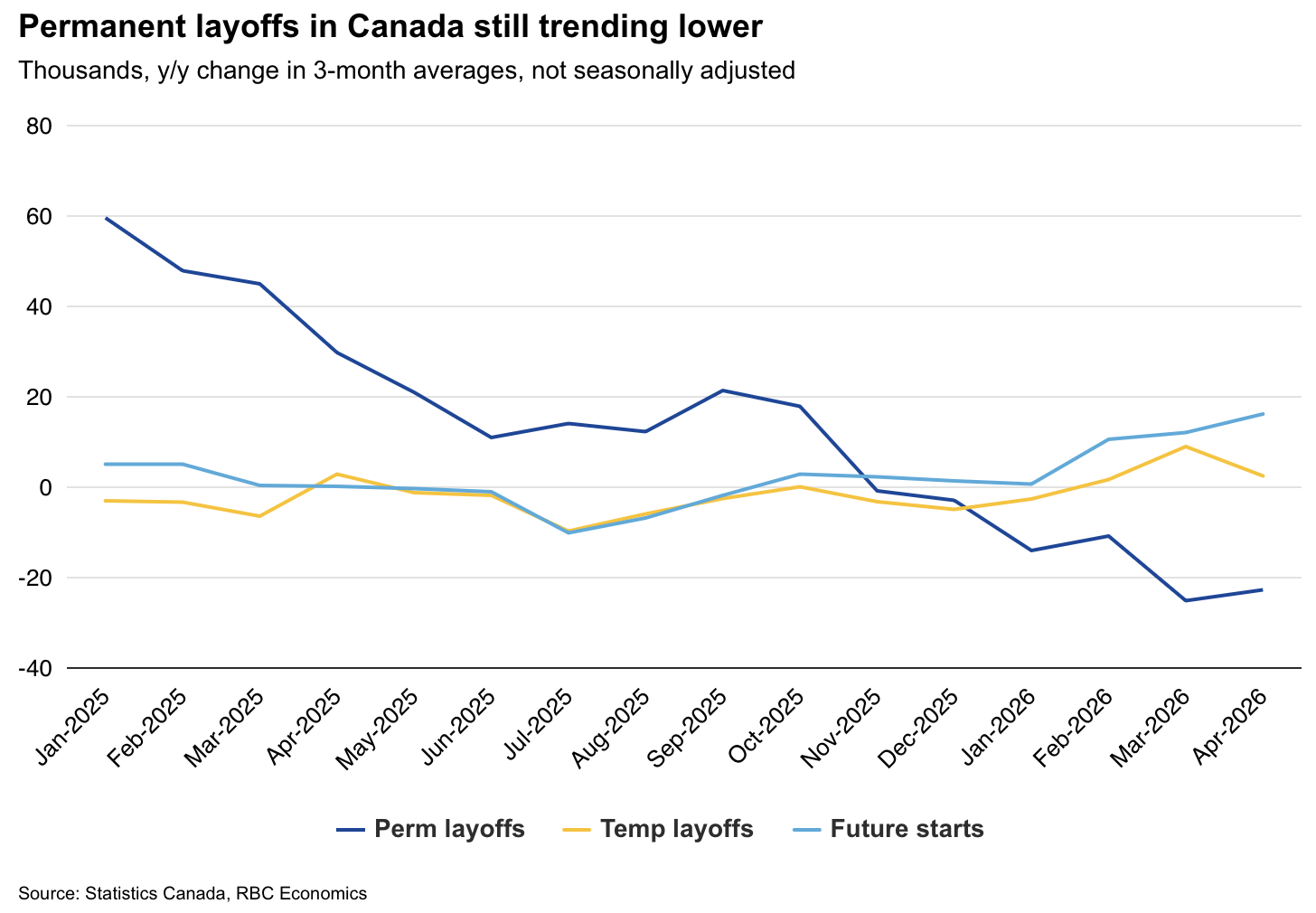
The hidden resilience in Canada's labour market
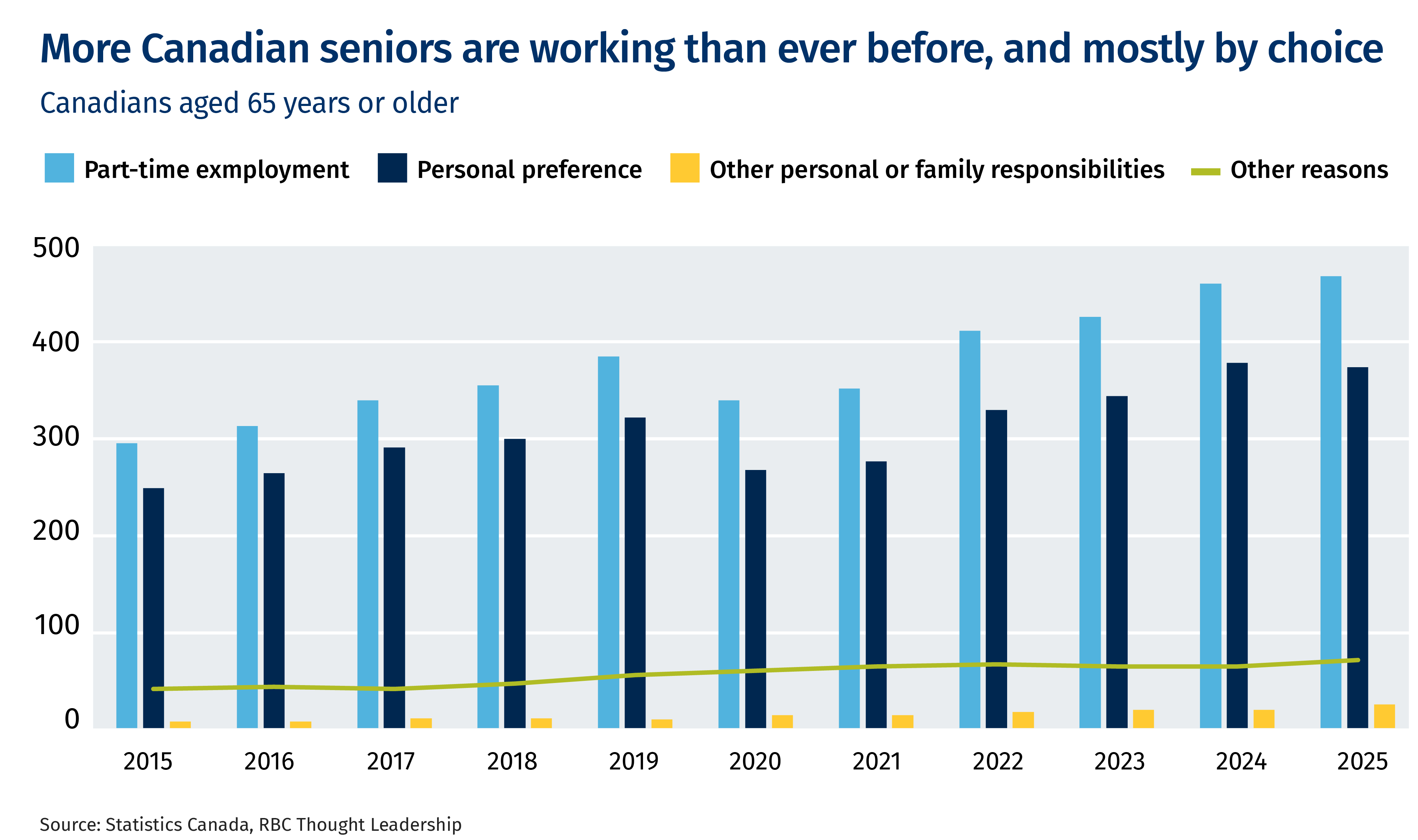
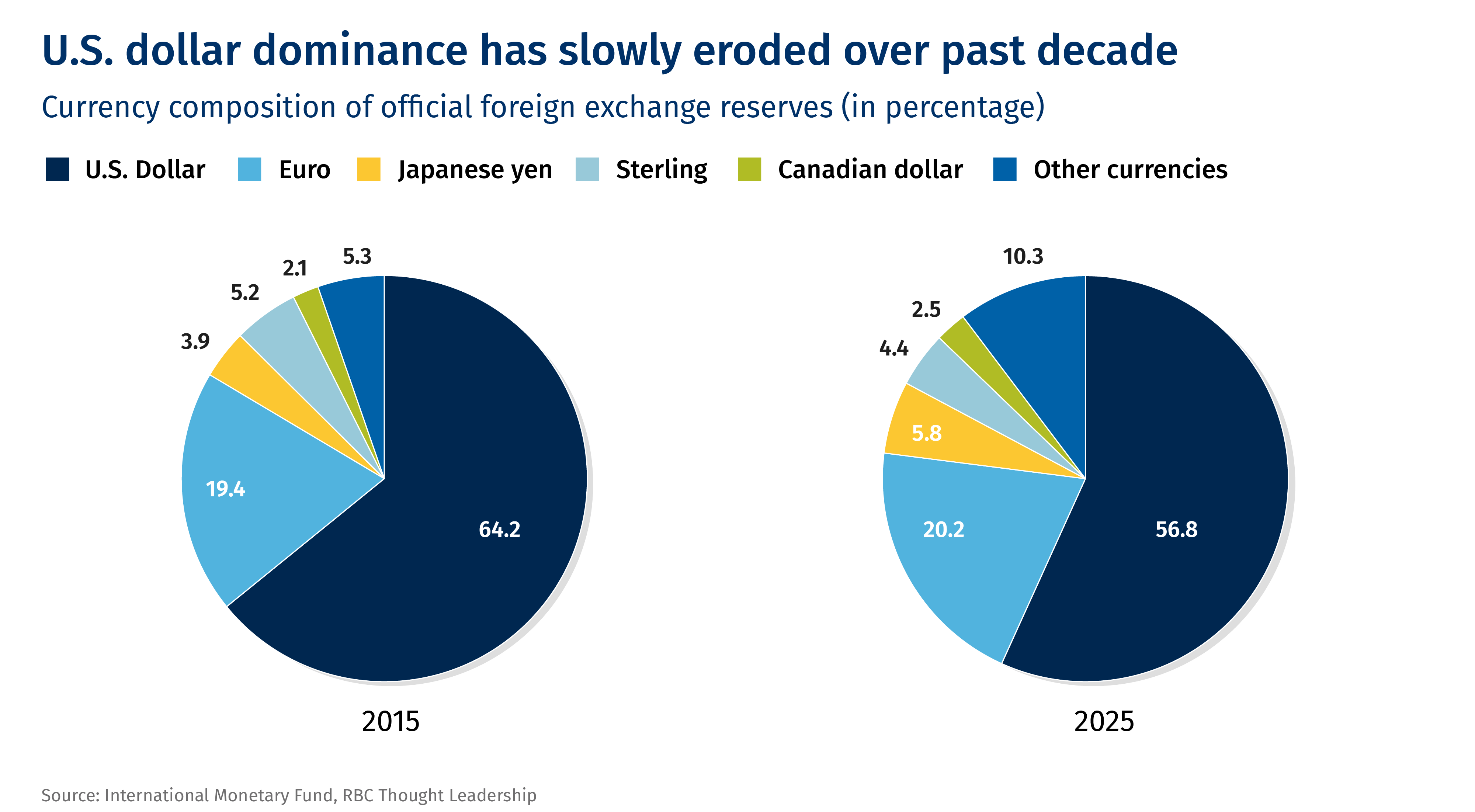
Interesting tidbits
- Young Adults Aren’t Leaving the Nest. Canada is seeing more 30-year-olds living in their parents' basement. Canadians aged 25 to 39 are twice as likely to live at home with their parents in 2021 compared to the same age group in 1991, according to a new report from Statistics Canada. In 1991, 8.2% of Canadians in this age group lived with their parents. The increase was larger in the country’s priciest housing markets, Toronto and Vancouver, where the rate of millennials living with their parents was 26.1% and 19.3%, respectively.
- $529 million. Online donations last year, a 10% jump from 2024, through CanadaHelps, the largest online donation platform in Canada. Donations of $1,000-9,999 grew 40%, while $10,000+ contributions doubled during the period.
Today’s funny

“Try to reduce your stress level, and if you somehow succeed please let me know how on earth you did it.”
REMINDER: Most of my new clients come to me via word of mouth as I don’t advertise or engage in marketing programs. Please keep my team in mind if you hear of anyone with over $1 million in investable assets who is in need of wealth management services.
This information is not investment advice and should be used only in conjunction with a discussion with your RBC Dominion Securities Inc. Investment Advisor. This will ensure that your own circumstances have been considered properly and that any action is taken based upon the latest available information. The strategies and advice in this report are provided for general guidance. Readers should consult their own Investment Advisor when planning to implement a strategy. Interest rates, market conditions, special offers, tax rulings, and other investment factors are subject to change. The information contained herein has been obtained from sources believed to be reliable at the time obtained but neither RBC Dominion Securities Inc. nor its employees, agents, or information suppliers can guarantee its accuracy or completeness. This report is not and under no circumstances is to be construed as an offer to sell or the solicitation of an offer to buy any securities. This report is furnished on the basis and understanding that neither RBC Dominion Securities Inc. nor its employees, agents, or information suppliers is to be under any responsibility or liability whatsoever in respect thereof. The inventories of RBC Dominion Securities Inc. may from time to time include securities mentioned herein.