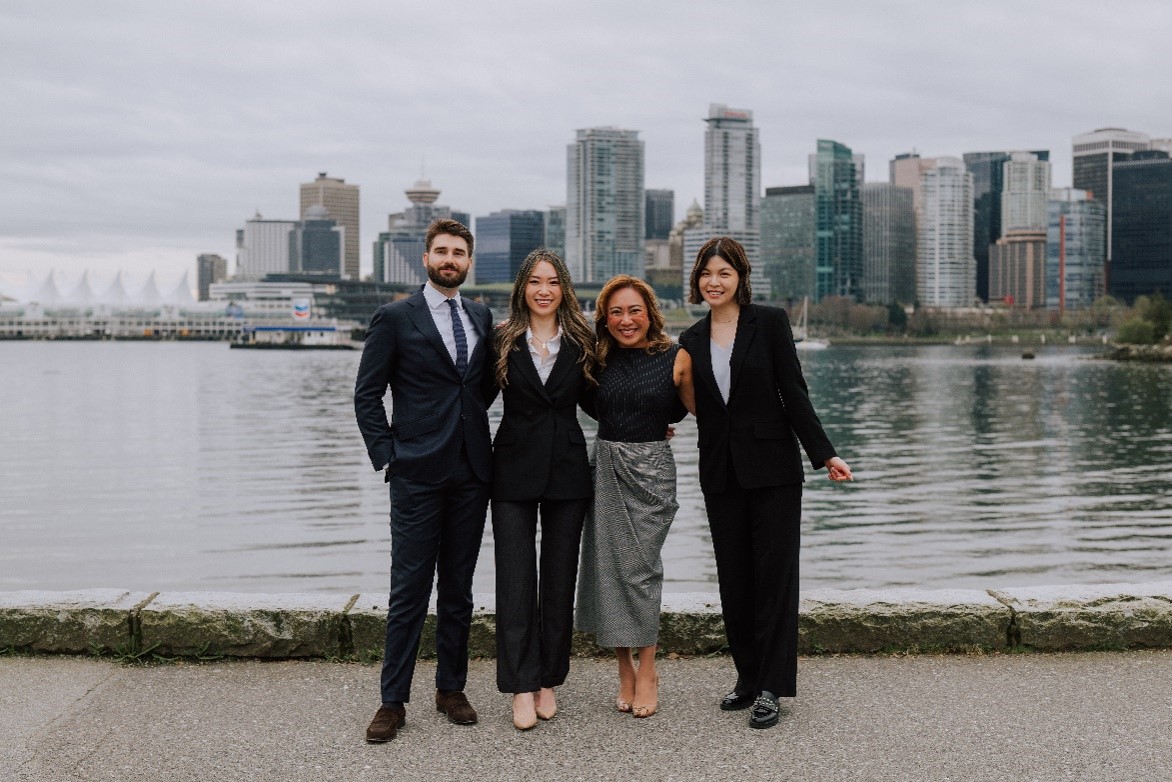
Hayley Lim
Summer Intern
August 20, 2026
- How and when did you start investing?
Lillian: When I started my first full time job (age 23). I opened my first Roth IRA (the US-version of TFSA). My first job was also in wealth management / investment industry, so I got exposed to investments strategies early.
Cherrie: I started investing as a child, thanks to my parents. Initially, it was a set-it-and-forget-it GIC that grew steadily over time. Independently, I began investing in my early 20s when I started my career and wanted my money to work harder than it would in a savings account. While I didn't have much to invest initially, starting small helped me become more comfortable with investing and appreciate the power of compound growth over time.
Liam: Started when I was 18. My Uncle was an Advisor in Kelowna, and he encouraged me to start investing. My first purchase was a Canadian Bank ETF (classic….)
- What’s a decision you made early on in your investment journey that had a surprising outcome?
Lillian: When I moved to Canada at age 30, I withdrew the full amount from my Roth IRA account to pay for my wedding + living expenses (starting over in a new country is never easy). I was surprised that I ended up saving so much without affecting my quality of life over the past 7 years! Saving + Investing = the beauty of compounding.
Cherrie: One of the best decisions I made was to start investing before I felt like I knew everything I needed to know. I initially thought I needed a significant amount of money or a perfect investment strategy to get started, but I was surprised by how much it had grown without constantly overlooking my account. Starting early taught me that experience and consistency can be just as valuable as having a large amount to invest.
Liam: Moving to London, England and pursuing my passion in Emerging Markets research. I realized how much I missed the relationships with clients.
- What should investors starting out do if they think they don’t have enough to start investing?
Lillian: It’s never “not enough” to save / invest. Pay yourself before paying others (aka spending money on other stuff). $20 a month invested in a mutual fund = $$ down the road. Gradually increase to $200, $500, $1000… etc. As your investment grows, start investing in other lower-cost vehicles such as ETF and/or single stocks. One should save first before spending. Not the other way around.
Cherrie: Start with what you have rather than waiting until you feel like you have “enough.” Even a small, consistent contribution can help you build the habit of investing and, more importantly, give you time to benefit from compounding. The goal at the beginning isn’t necessarily to invest a lot—it’s to get started and keep going.
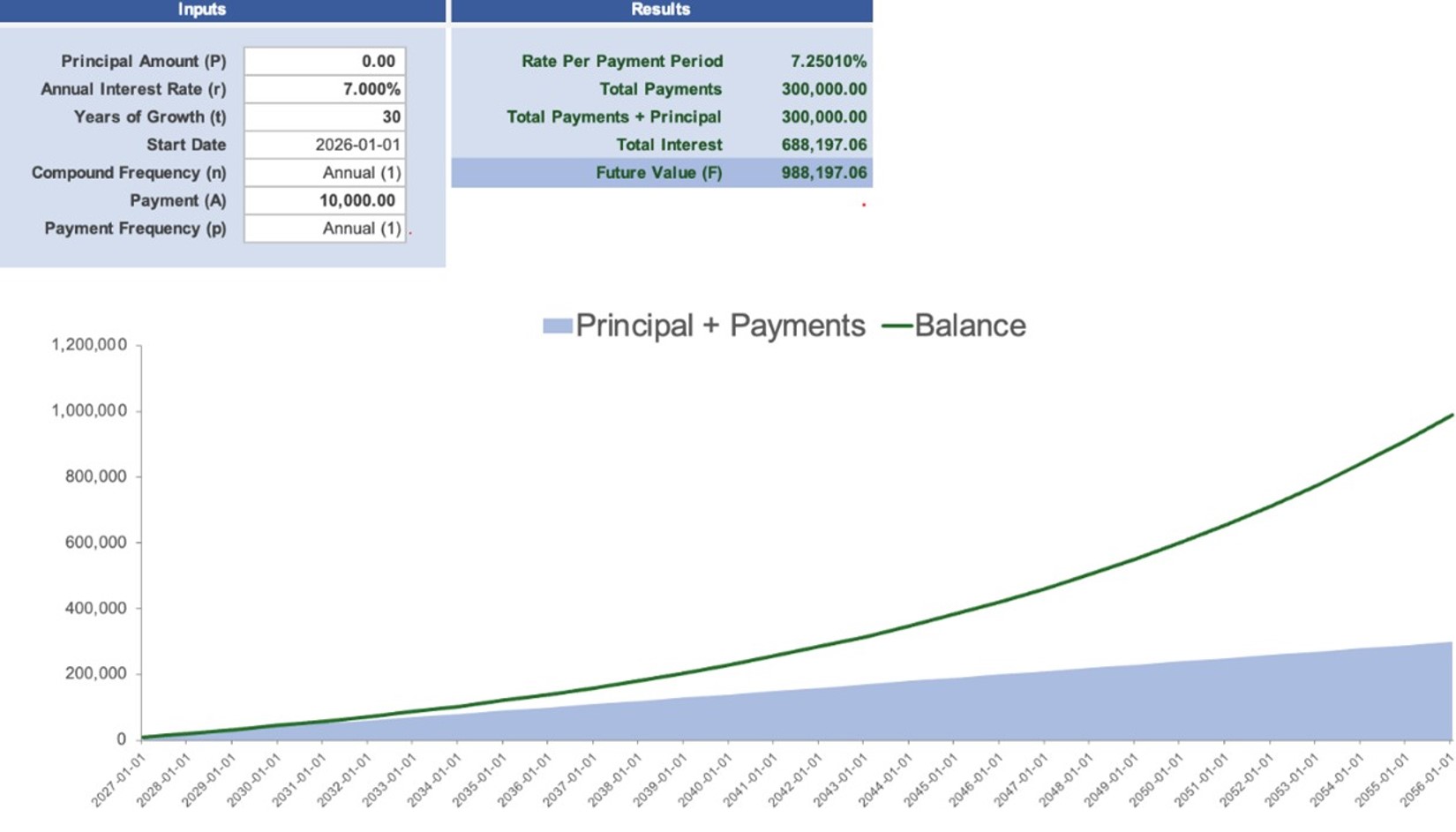
Liam: Start small. Look at a compound interest calculator and run the numbers. The math is incredible, even starting small.
- What’s one misconception you had when you started to invest?
Lillian: I used to think that Risk is not manageable. Investing in stocks = gambling.
Cherrie: I used to think that being a good investor meant constantly watching the market and making the right decision at exactly the right time. I’ve learned that investing is much less about predicting what happens next and much more about having a plan, understanding what you own, and staying disciplined through different market environments.
Liam: I used to think that stocks always traded based on the fundamentals of the business.
- How did you stay motivated when your investments weren't growing as expected?
Lillian: Reminding myself to focus on long-term growth, and that temporary dip is the perfect timing to buy more.
Cherrie: I reminded myself that investing is a long-term journey, so a few months or even a year of disappointing returns doesn’t necessarily change the bigger picture. Instead of focusing on the day-to-day value of my portfolio, I try to focus on whether I’m still contributing, staying disciplined, and making progress toward my longer-term goals.
Liam: Volatility = Opportunity. I like to study financial history. When you live in the moment, weeks/months can feel like years! Looking back during strong and weak periods in markets help to give me perspective. Fortune often comes to those who are patient.
- What’s a lesson you learned early on in your investing journey that you use until this day?
Lillian: Buy low, sell high. Diversify. Understand our risk tolerance and investment objectives. Trust the professionals, not celebrities / influencers (unless licensed / certified).
Cherrie: I learned two important lessons. First, avoid leasing a car unless necessary—instead, buy a vehicle or purchase secondhand! Cars depreciate significantly the moment they leave the lot… Second, through my work with Pam, I learned that starting early, maintaining consistency, and avoiding emotional decisions can make a meaningful difference over the long term.
Liam:
·The market is not always right, trust your instincts, even if it’s painful in the short term.
·It’s very important to be humble!
·Investors sell for a hundred different reasons, but they only buy for one.
·Hold strong opinions loosely.